
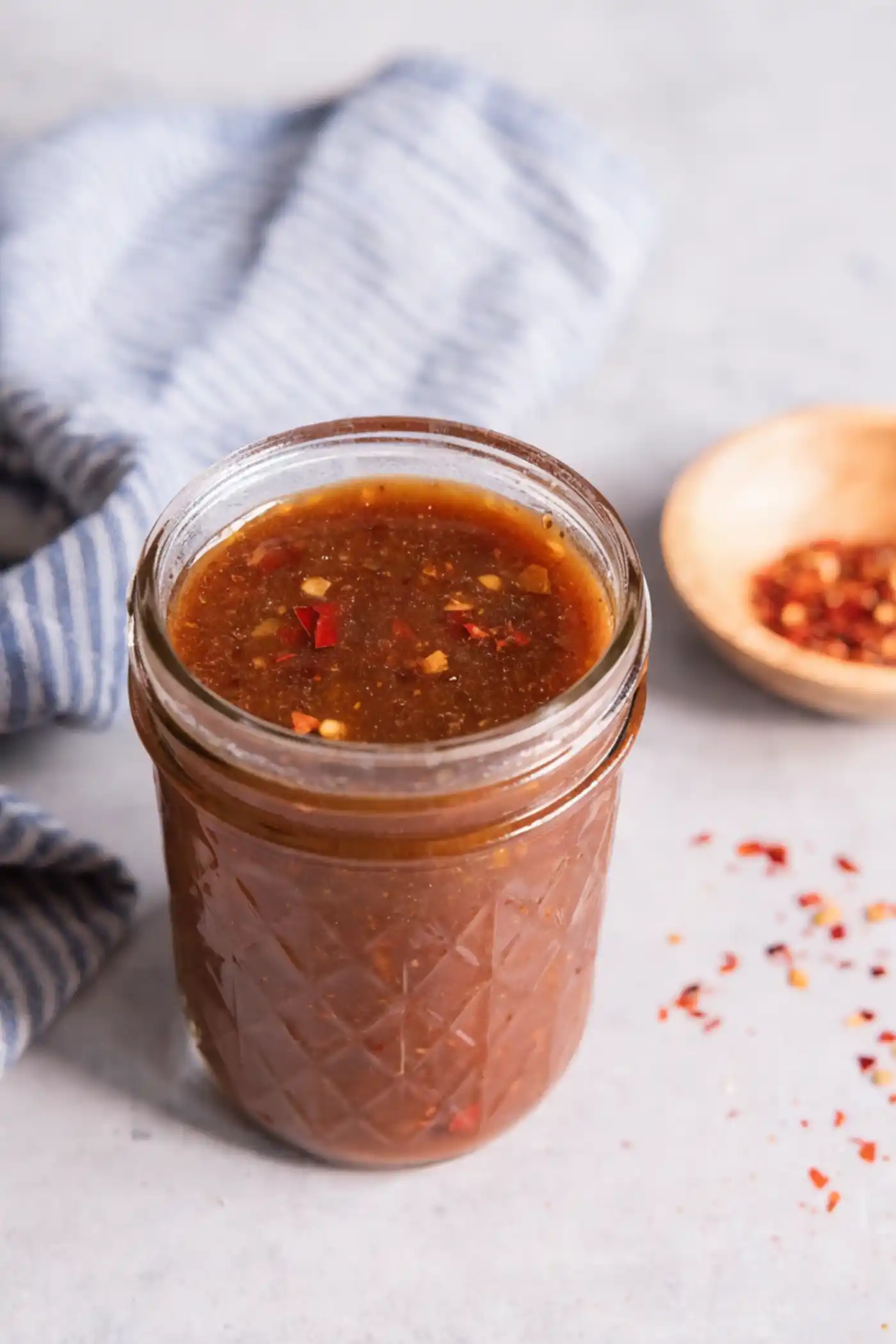
A great stir fry sauce can turn basic chicken, vegetables, or noodles into a fast dinner that tastes like takeout from your favorite restaurant. The best part? You can make it at home in just five minutes using simple pantry staples you likely already have.
I started making homemade stir fry sauce after getting tired of store-bought bottles that tasted too salty or overly sweet. This version hits the right balance of savory, sweet, garlic, and fresh ginger flavor while giving your stir fry that glossy restaurant-style finish. Once you try it, weeknight dinners become much easier.
Table of Contents
Why You’ll Love This Recipe
- Ready in just 5 minutes, making it perfect for busy weeknights when dinner needs to happen fast.
- Uses simple pantry ingredients like soy sauce, honey, garlic, ginger, and broth, so there’s no need for expensive bottled sauces.
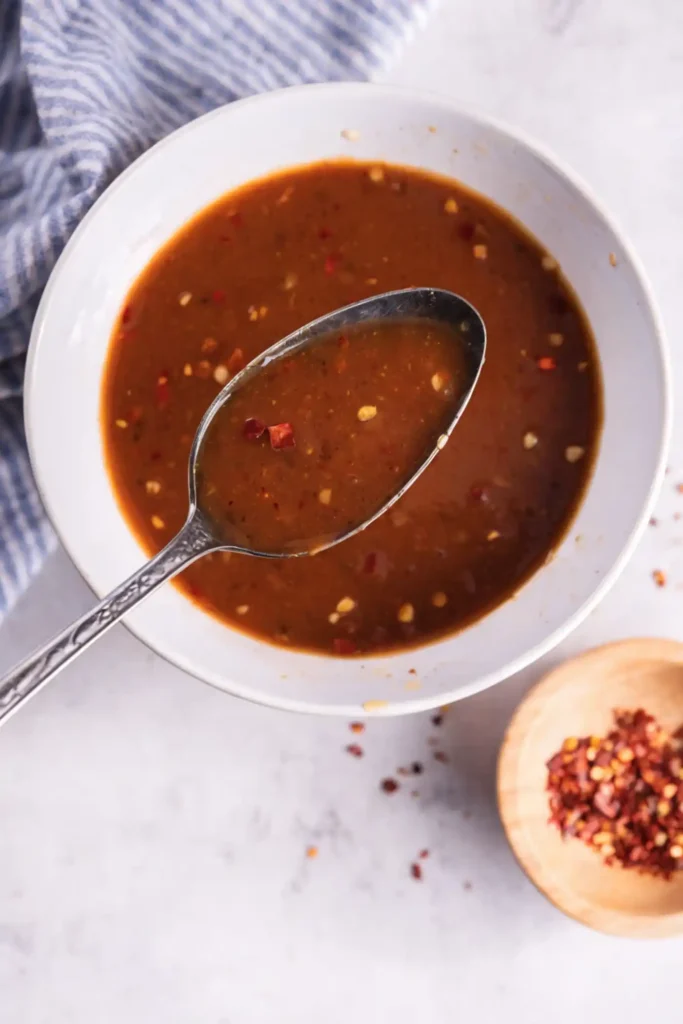
- Creates a rich, glossy finish that coats chicken, beef, shrimp, tofu, or vegetables beautifully.
- Easy to customize based on your taste. Add sriracha for heat, sweet chili sauce for a sweeter kick, or keep it mild for family meals.
- Better than store-bought versions because you control the salt, sweetness, and thickness.
- Great for meal prep since you can make a batch ahead of time and keep it ready for quick lunches or dinners.
- It gives homemade stir fry that fresh restaurant-style flavor while keeping your kitchen routine simple and stress-free.
Ingredients Needed
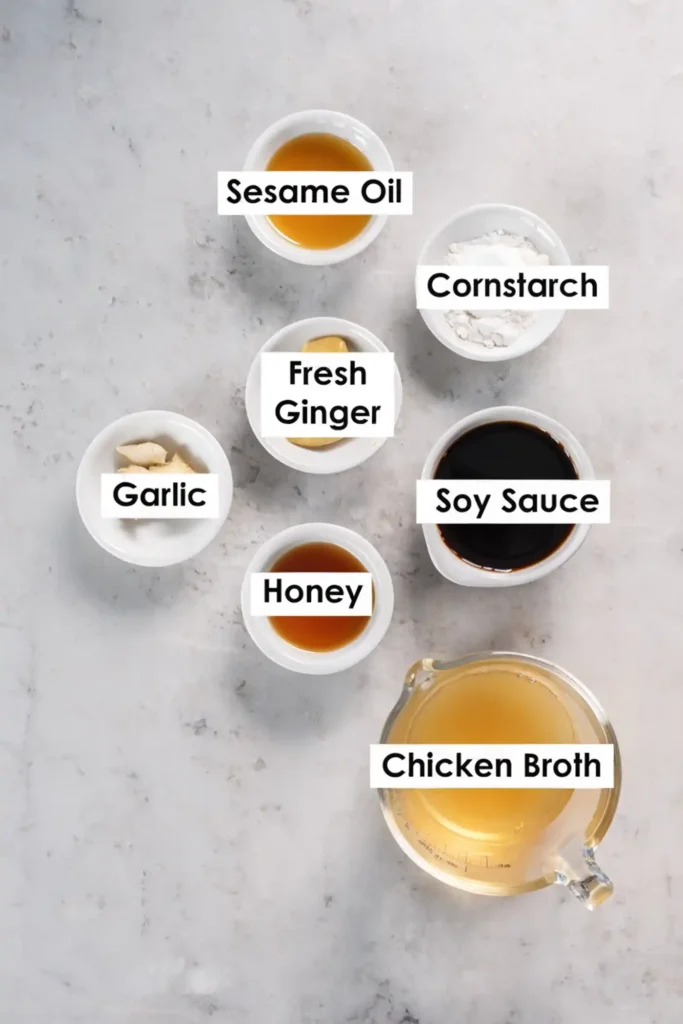
This homemade stir fry sauce comes together with everyday ingredients, but each one plays an important role in building that bold takeout-style flavor.
For the Sauce Base
- ½ cup low sodium chicken broth
This adds depth without making the sauce overly salty. If you want a vegetarian version, swap it with vegetable broth. - ⅓ cup low sodium soy sauce
The main source of savory flavor. Low sodium soy sauce helps you control the salt level while still giving the sauce its classic taste. - 2 tablespoons honey
Adds the perfect touch of sweetness to balance the soy sauce. You can also use maple syrup or brown sugar if needed. - 2 teaspoons sesame oil
Gives the sauce a rich, nutty finish that makes homemade stir fry taste more like restaurant food.
Fresh Aromatics
- 2 tablespoons fresh minced ginger
Fresh ginger adds bright, bold flavor that bottled sauces often lack. Mince it finely so it blends smoothly into the sauce. - 3 garlic cloves, minced
Fresh garlic brings strong savory flavor and pairs perfectly with ginger.
Thickening Ingredient
- 1 tablespoon cornstarch
This helps create that glossy texture that clings to meat, vegetables, and noodles. For a gluten-free option, arrowroot powder works well too.
Optional Heat Boosters
- Crushed red pepper flakes
Great if you want a mild spicy kick. - Sriracha
Adds heat with a touch of garlic flavor. - Sweet chili sauce
Perfect if you want a sweeter spicy sauce with extra depth.
Using fresh garlic and ginger makes a big difference here. It gives this stir fry sauce a fresher flavor that bottled versions often miss.
How to Make Stir Fry Sauce
This recipe takes about 5 minutes to prepare, and there’s no cooking required unless you’re using it right away in a stir fry. Before you begin, mince the garlic and ginger so everything mixes smoothly.
1. Mix the Sauce Ingredients
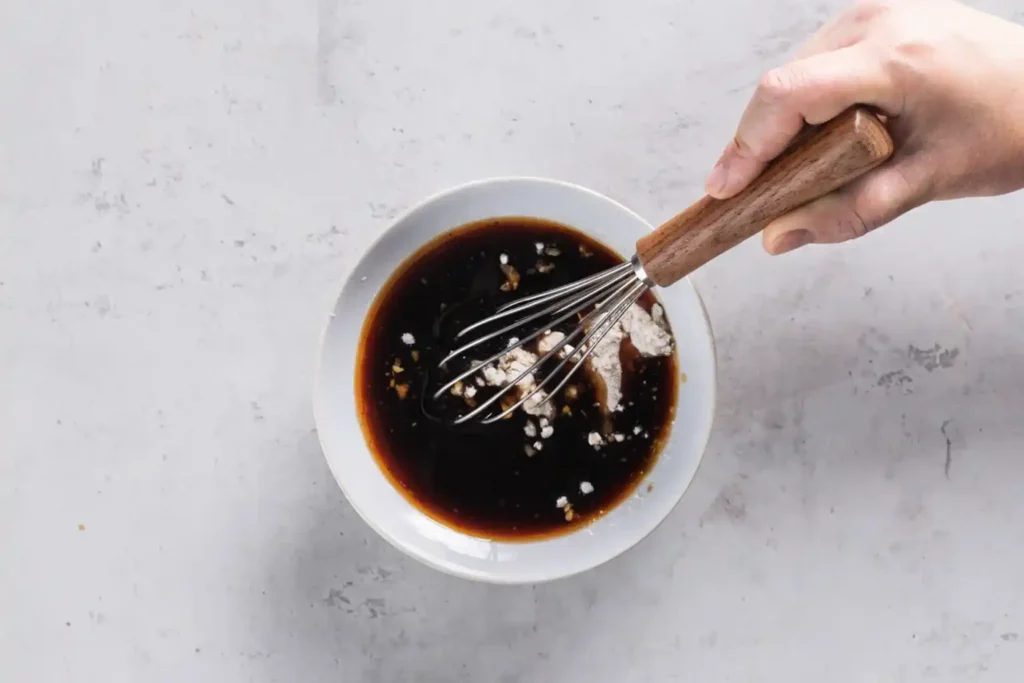
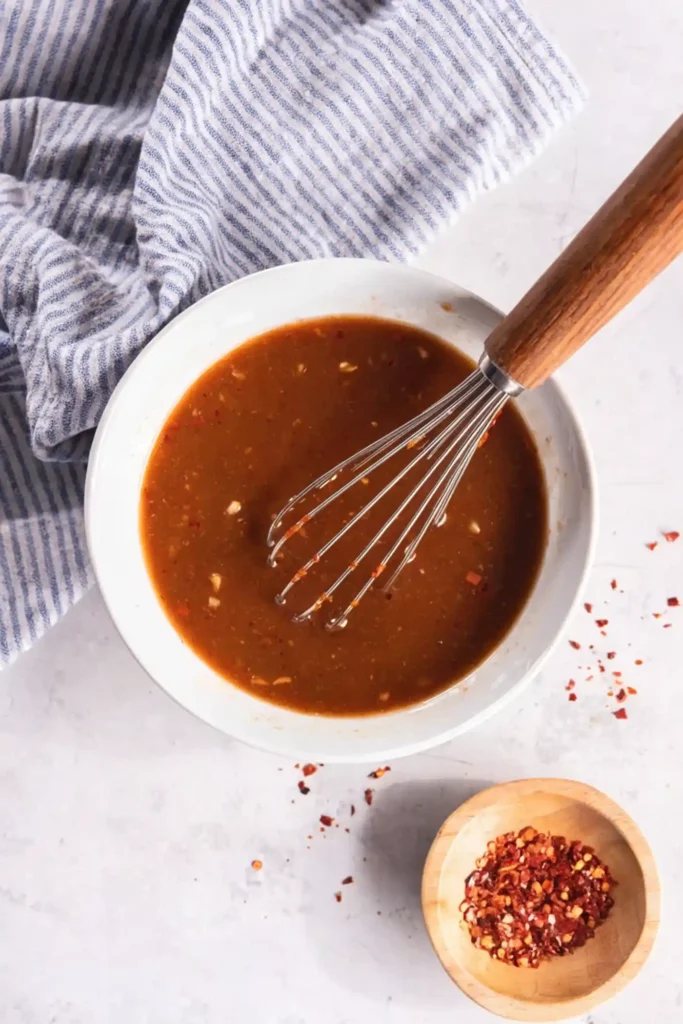
Add the chicken broth, soy sauce, honey, sesame oil, fresh ginger, minced garlic, and cornstarch to a medium bowl or a mason jar with a tight-fitting lid.
Whisk everything well if using a bowl. If using a jar, seal the lid tightly and shake until the cornstarch fully dissolves. This step matters because dry cornstarch clumps can create lumps later when the sauce hits a hot pan.
If you like spicy stir fry sauce, mix in crushed red pepper flakes, a spoonful of sriracha, or sweet chili sauce at this stage.
2. Check the Texture
The sauce will look thin at first, and that’s completely normal. It thickens only after it heats up in the skillet or wok.
If the mixture looks cloudy from the cornstarch, that means it’s properly combined.
3. Use It Right Away or Store It
You can use the sauce immediately for dinner, or pour it into an airtight container and refrigerate it for up to one week.
Before storing, label the jar if you meal prep often. It makes busy weeknights much easier.
4. Cook Your Protein
Heat 1 tablespoon of oil in a large skillet or wok over medium-high heat.
Add 1 pound of your favorite protein such as cubed chicken, sliced beef, shrimp, tofu, or chickpeas. Cook until lightly browned and almost fully cooked.
Remove the protein from the pan and place it on a clean plate. This keeps it from overcooking while the vegetables cook.
5. Stir Fry the Vegetables
Add another tablespoon of oil to the same pan.
Add about 6 cups of chopped vegetables like broccoli, carrots, mushrooms, bell peppers, zucchini, snow peas, or asparagus.
Cook the harder vegetables first, then add softer vegetables later so everything stays crisp and fresh.
Stir fry for several minutes until the vegetables are tender but still have a slight crunch.
6. Add the Sauce and Finish Cooking
Return the cooked protein to the skillet.
Give the sauce one quick stir, then pour in the full batch.
Cook for 2 to 3 minutes while stirring gently until the sauce becomes glossy and thick enough to coat the vegetables and protein.
A good visual sign is when the sauce lightly coats the back of a spoon.
7. Serve and Enjoy
Serve your stir fry immediately over warm rice, noodles, or cauliflower rice.
Top with sesame seeds or sliced green onions if you want extra flavor and texture.
Make-Ahead, Storage, and Meal Prep Guidelines
This stir fry sauce is perfect for meal prep because you can make it ahead and keep it ready for busy weeknights.
Refrigerator Storage
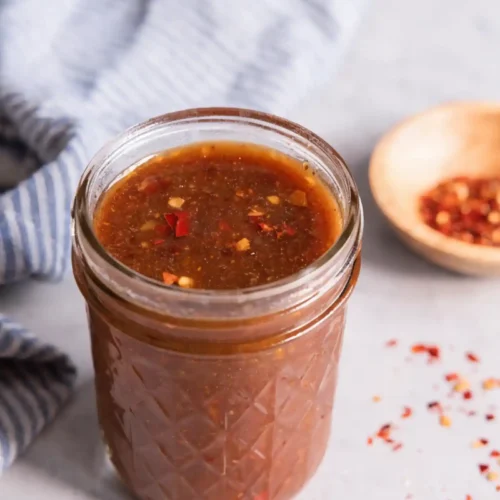
Pour the prepared sauce into a sealed mason jar or airtight container and store it in the refrigerator for up to one week.
Fresh garlic and ginger help create bold flavor, but they can settle at the bottom over time, which is completely normal.
Always Shake Before Using
Cornstarch naturally sinks to the bottom of the container after sitting in the fridge.
Before using the sauce, give the jar a strong shake or whisk it well in a bowl to fully combine everything again. This helps prevent uneven thickening when the sauce hits the hot pan.
If you skip this step, you may end up with watery sauce at the top and thick cornstarch sitting at the bottom.
Freezer Storage
Want to prep even further ahead? Freeze the sauce in small portions for up to 3 months.
Ice cube trays work well for small servings, while freezer-safe containers are better for larger batches.
Once frozen, transfer the cubes to freezer bags to save space.
How to Thaw
Move frozen sauce to the refrigerator the night before you plan to cook.
If you’re short on time, warm it slowly in a small saucepan over low heat while stirring until fully thawed.
Meal Prep Tip
Make a double batch and store individual portions for quick lunches or dinners.
One full batch of this sauce typically works well for:
- 1 pound of protein
- 6 cups of vegetables
- 4 servings of rice or noodles
Having homemade stir fry sauce ready in your fridge makes last-minute meals much faster and helps you skip expensive takeout.
Helpful Notes
- Use fresh ginger and garlic whenever possible
Fresh ingredients give this stir fry sauce a brighter and stronger flavor compared to powdered versions. Pre-minced garlic works in a pinch, but fresh always tastes better. - Do not add the sauce too early
Wait until your protein and vegetables are nearly finished cooking before pouring in the sauce. Adding it too soon can cause the sugars to burn and the sauce to become too thick. - Try light and dark soy sauce together
For a deeper restaurant-style flavor, replace part of the low sodium soy sauce with a small amount of dark soy sauce. Light soy sauce adds saltiness while dark soy sauce gives richer color. - Fix a sauce that tastes too salty
Add a splash of water, unsalted broth, honey, or rice vinegar to balance the flavor without ruining the sauce. - Fix a sauce that is too thin
Mix 1 teaspoon of cornstarch with 2 teaspoons of cold water, then stir it into the hot sauce until it thickens. - Fix a sauce that gets too thick
Add a small splash of warm broth or water and stir until the texture loosens up. - Make it gluten-free
Use gluten-free tamari or coconut aminos instead of regular soy sauce. - Make it vegan
Swap chicken broth for vegetable broth and replace honey with maple syrup. - Add extra flavor
A small splash of Worcestershire sauce or even a little ketchup can add extra depth without changing the overall flavor too much. - Best vegetables for stir fry
Broccoli, carrots, mushrooms, snap peas, bell peppers, zucchini, bok choy, and onions all work well with this sauce.
These small tips can help you make a better stir fry every single time.
Conclusion
This homemade stir fry sauce proves that a quick homemade recipe can taste just as good, if not better, than takeout. It comes together in minutes, uses simple ingredients, and works with almost any protein or vegetable you have in your kitchen.
What makes this recipe special is its balance of savory soy sauce, fresh garlic, ginger, and just enough sweetness to create that glossy restaurant-style finish people love.
If you try this stir fry sauce recipe, leave a comment below and share your experience. I’d also love it if you gave the recipe a star rating to help other readers.
Did you make it spicy? Try a new vegetable mix? Serve it with noodles instead of rice? Share your favorite version.
And if you loved this recipe, save it on Pinterest or share it with friends and family on Facebook.
YOU MIGHT ALSO LIKE…
Stir Fry Sauce

Equipment
- Medium mixing bowl
- Mason jar with lid
- Whisk
- Large skillet
- Wok
- Knife
- Cutting board
Ingredients
Sauce Base
- ½ cup low sodium chicken broth use vegetable broth for vegetarian version
- ⅓ cup low sodium soy sauce use gluten-free tamari if needed
- 2 tablespoons honey or maple syrup
- 2 teaspoons sesame oil
Fresh Aromatics
- 2 tablespoons fresh ginger minced
- 3 cloves garlic minced
Thickener
- 1 tablespoon cornstarch or arrowroot powder
Optional Heat Boosters
- ½ teaspoon crushed red pepper flakes optional
- 1 tablespoon sriracha optional
- 1 tablespoon sweet chili sauce optional
Instructions
- Mince the fresh garlic and ginger before starting so everything mixes smoothly.
- In a medium bowl or mason jar, combine chicken broth, soy sauce, honey, sesame oil, ginger, garlic, and cornstarch.
- Whisk well or shake the sealed jar until the cornstarch fully dissolves and no lumps remain.
- Add optional crushed red pepper flakes, sriracha, or sweet chili sauce if you want extra heat.
- Use the sauce immediately or refrigerate in an airtight container for up to 1 week.
- To use in stir fry, heat 1 tablespoon oil in a skillet or wok over medium-high heat and cook 1 pound of protein until lightly browned. Remove from pan.
- Add another tablespoon of oil and cook about 6 cups of chopped vegetables until tender-crisp.
- Return protein to the pan and stir the sauce once more before pouring it in.
- Cook for 2 to 3 minutes while stirring until the sauce becomes thick and glossy enough to coat the ingredients.
- Serve immediately over rice, noodles, or cauliflower rice. Garnish with sesame seeds or green onions if desired.
Notes
Nutrition Facts (Per Serving)
| Nutrient | Amount |
| Serving Size | 1/4 cup |
| Calories | 79 kcal |
| Carbohydrates | 14g |
| Protein | 2g |
| Fat | 2g |
| Saturated Fat | 1g |
| Sodium | 719mg |
| Potassium | 87mg |
| Fiber | 1g |
| Sugar | 9g |
| Vitamin C | 1mg |
| Calcium | 8mg |
| Iron | 1mg |
FAQs
How to make a quick stir fry sauce?
A quick stir fry sauce can be made by mixing soy sauce, broth, honey, sesame oil, fresh ginger, garlic, and cornstarch in a bowl or jar. Whisk or shake everything until smooth, then pour it into your stir fry during the final few minutes of cooking. The whole process takes about five minutes.
Does a stir fry need a sauce?
Not always, but sauce adds flavor, moisture, and that glossy finish many people expect from restaurant-style stir fry. Without sauce, stir fry can taste dry or bland unless you season the ingredients very well.
What are the common mistakes when making stir fry?
One common mistake is overcrowding the pan, which causes ingredients to steam instead of brown. Another mistake is adding the sauce too early, which can lead to burning. Using low heat is another issue because stir fry cooks best at medium-high to high heat.
Do you add sauce before or after cooking?
You should add the sauce near the end of cooking. First cook your protein and vegetables, then pour in the sauce during the final 2 to 3 minutes. This helps the sauce thicken properly without burning.
What is the best oil to use for stir fry?
Oils with a high smoke point work best for stir fry. Canola oil, avocado oil, vegetable oil, and peanut oil are great choices. Sesame oil is best used inside the sauce for flavor rather than as the main cooking oil.
What can be substituted for stir fry sauce?
If you do not have homemade stir fry sauce, you can use teriyaki sauce Teriyaki Sauce, hoisin sauce Hoisin Sauce, sweet chili sauce Sweet Chili Sauce, peanut sauce Peanut Sauce, or a simple mix of soy sauce, garlic, honey, and ginger.