
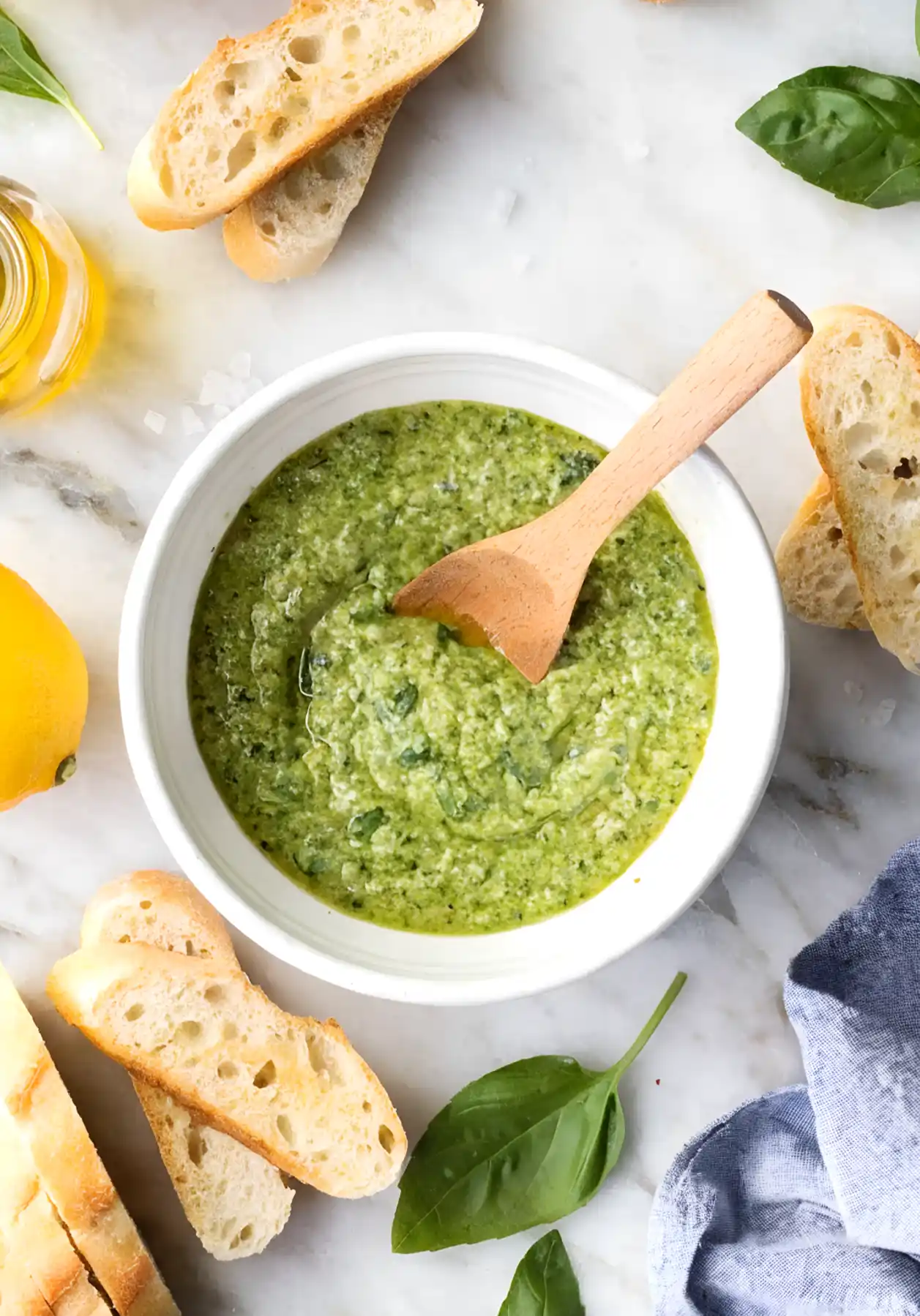
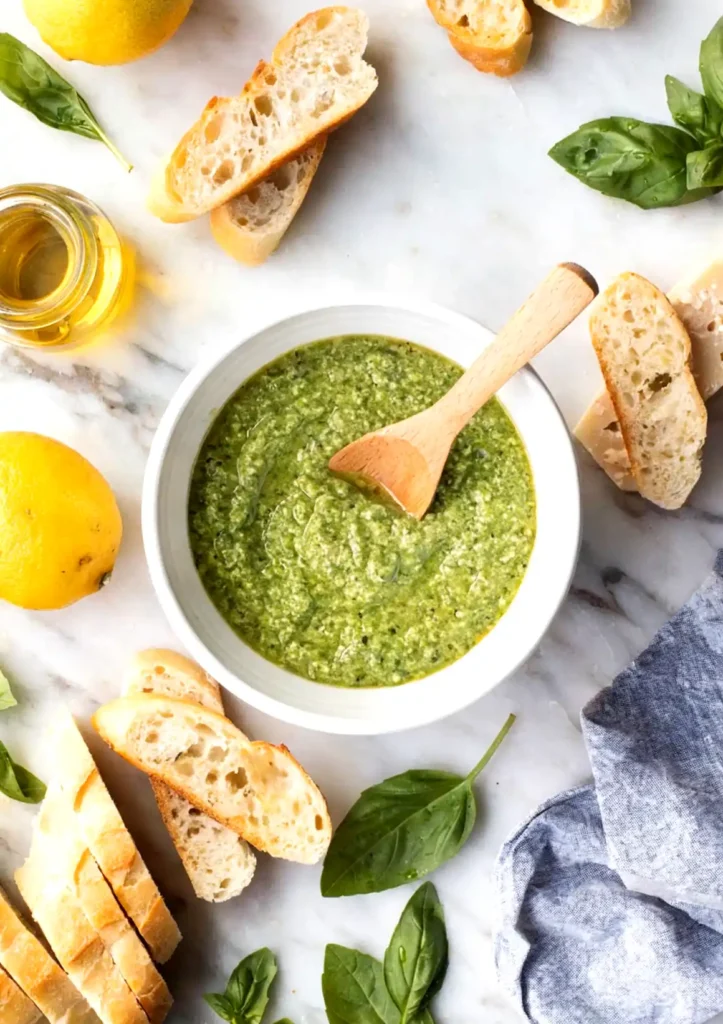
The scent of fresh basil blended with olive oil and toasted nuts is hard to beat. This pesto comes together in five minutes, yet it tastes bright, rich, and deeply aromatic. Spoon it over pasta, spread it on sandwiches, or swirl it into soups for instant flavor.
At Craft Dishes, this is my go to balance of lemon and toasted pine nuts. The lemon lifts the herbs so the sauce tastes light, not heavy. The toasted nuts add warmth and depth that make this pesto stand out every time.
Table of Contents
Why This Pesto Recipe Works
The Chef’s Secret
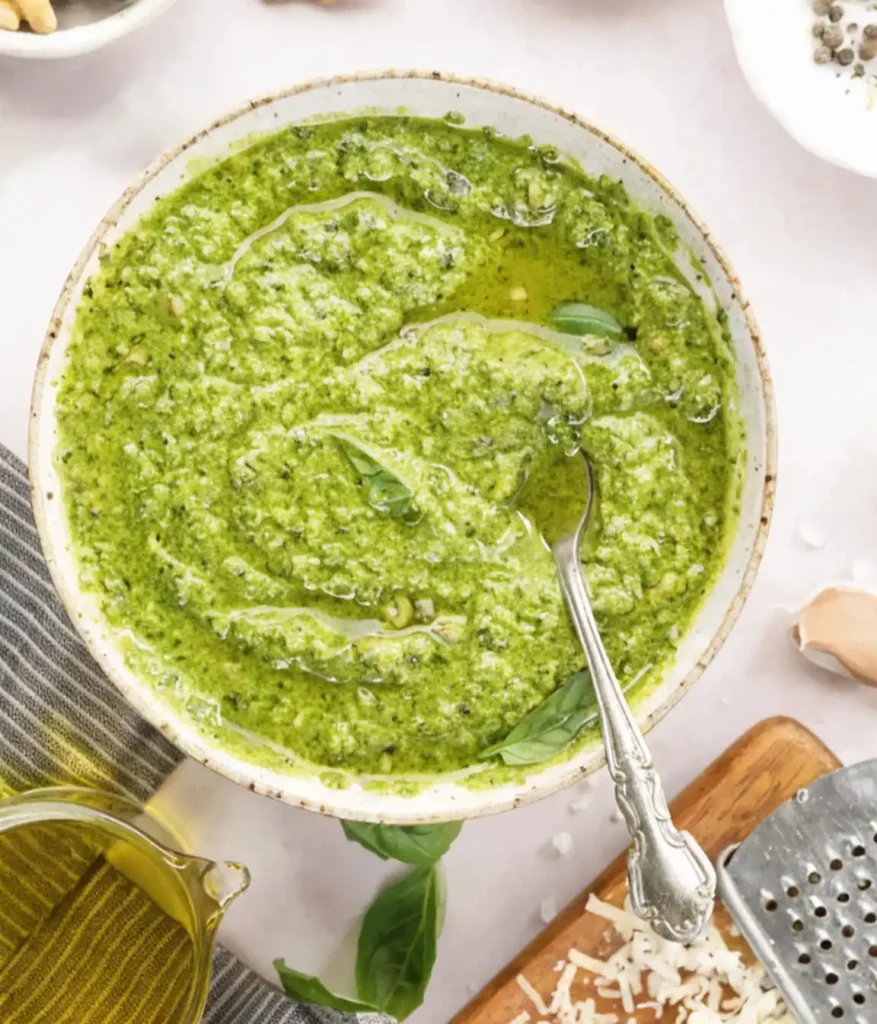
Lemon juice is the quiet hero in this basil pesto recipe. A small splash wakes up the fresh basil leaves and keeps the sauce tasting bright. Without it, pesto can feel heavy from the oil and cheese. The natural acidity cuts through that richness and helps balance every spoonful. It also supports the green color, giving the sauce a fresher look and taste.
Toasted vs. Raw Pine Nuts
Toasting pine nuts changes everything. Raw nuts taste soft and mild. Once lightly toasted, they turn golden and release a deeper, nuttier flavor. This added warmth gives the pesto more character and complexity. The difference is subtle but clear, especially when blended with extra virgin olive oil and fresh basil.
Ingredients Needed
For the Nut and Flavor Base
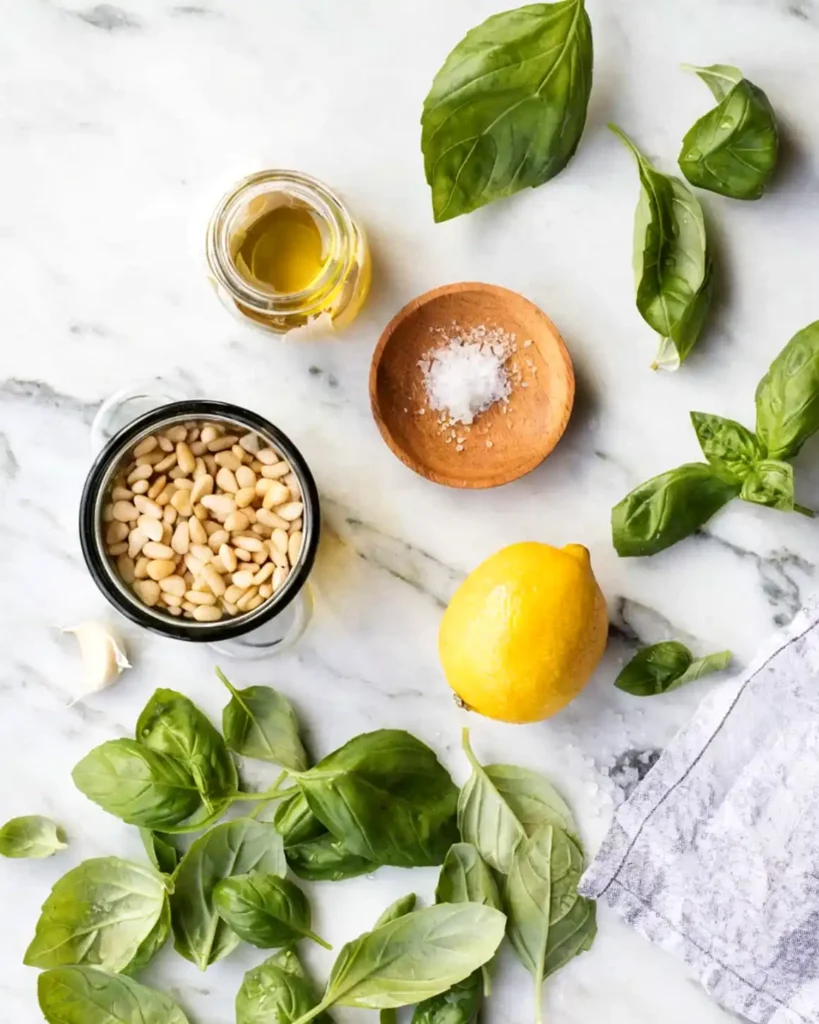
- ½ cup pine nuts, lightly toasted until golden and fragrant
- 2 tablespoons fresh lemon juice, squeezed from a ripe lemon
- 1 small garlic clove, peeled
- ¼ teaspoon fine sea salt
- A few turns of freshly ground black pepper
For the Herb Blend
- 2 packed cups fresh basil leaves, washed and fully dried
For the Creamy Finish
- ¼ cup extra virgin olive oil, plus a little extra if you prefer a looser texture
- ¼ cup freshly grated Parmesan cheese, optional but recommended for a savory depth
Use high quality olive oil and bright green basil for the best homemade pesto sauce. Fresh ingredients make a clear difference in flavor and texture.
How to Make Basil Pesto
- Prepare your ingredients first.
Toast the pine nuts in a dry skillet over medium heat for 3 to 5 minutes, stirring often. Remove them once they turn light golden and smell nutty. Let them cool fully before blending. Heat can darken the basil and affect the final color. - Build the flavor base.
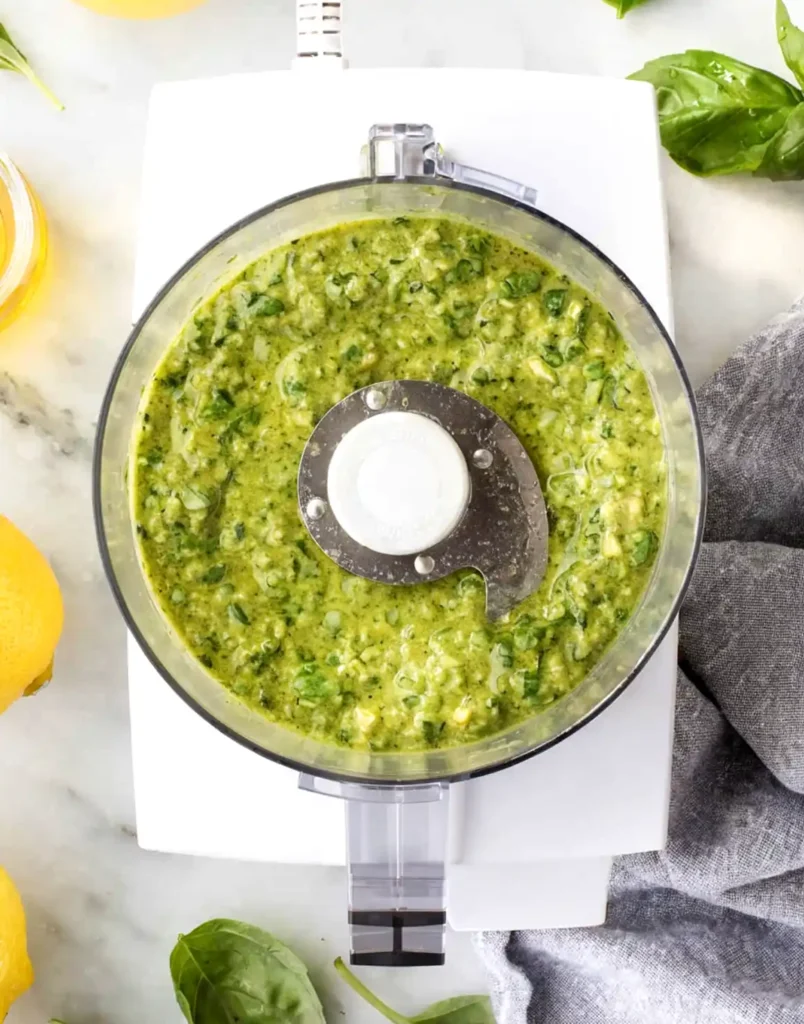
Place the toasted pine nuts, fresh lemon juice, garlic clove, sea salt, and black pepper into a food processor. Pulse several times until the mixture looks finely chopped but not pasty. This step breaks down the nuts and evenly distributes the garlic. - Add the basil.
Add the fresh basil leaves to the processor. Pulse in short bursts until the leaves are broken down and mixed with the nut base. Scrape down the sides if needed so everything blends evenly. - Stream in the olive oil.
Turn the processor on and slowly pour in the extra virgin olive oil. Drizzling the oil helps create a smooth pesto emulsion. Stop once the texture looks creamy but still has a bit of body. - Finish with cheese.
Add the freshly grated Parmesan cheese, if using. Pulse just a few times to combine. Avoid over processing, as too much friction can warm the mixture and dull the fresh basil flavor. - Adjust the texture.
Taste and adjust salt or lemon if needed. If you prefer a smoother pesto sauce, add a small splash of olive oil and pulse briefly until you reach your desired consistency.
Expert Tips for Success
Preventing Browning with the Oil Seal Method
Fresh basil pesto can darken when exposed to air. To keep that bright green color, smooth the top of the pesto after placing it in a container. Pour a thin layer of olive oil over the surface so it fully covers the sauce. This light coating blocks air and slows oxidation. Seal the container tightly and refrigerate.
Pulse, Do Not Over Blend
It is tempting to run the food processor until the sauce looks perfectly smooth. Resist that urge. Over processing creates heat from the blades. Heat can bruise the basil and cause bitterness. Short pulses keep the flavor fresh and the texture lively.
The Pasta Water Trick
If you are tossing this pesto with pasta, save about half a cup of the cooking water before draining. This starchy liquid acts as a binder. Add a spoonful at a time while mixing the pasta and pesto. The sauce will loosen slightly and cling to every strand, creating a creamy finish without extra oil.
Pesto Variations and Substitutions
Nut Free Option
If you need a nut free pesto, swap the pine nuts for raw pepitas or sunflower seeds. Lightly toast them just as you would pine nuts to bring out more flavor. They add a mild, slightly earthy taste while keeping the same creamy texture.
Vegan Pesto Version
To make a vegan pesto recipe, replace the Parmesan cheese with 1 tablespoon of nutritional yeast. It gives a savory, cheesy flavor without dairy. You can also add a small pinch of extra salt to balance the taste.
Switch the Greens
Basil is classic, but other greens work well too. Try arugula for a peppery kick or kale for a deeper, earthy note. If using kale, remove thick stems and pulse a little longer to soften the texture. Spinach can also be blended with basil for a milder flavor.
Zero Waste Tip
Do not throw away carrot tops or tender herb stems. Blend them into your pesto for a fresh, slightly grassy twist. This simple swap reduces waste and adds character to your homemade pesto sauce.
How to Store and Freeze Pesto
Storing Pesto in the Fridge
Transfer the homemade pesto to a clean, airtight container. Smooth the top with the back of a spoon. Add a thin layer of olive oil over the surface to help protect the color and flavor. Close the lid tightly and store it in the refrigerator for up to 3 days. For best taste, let it sit at room temperature for a few minutes before serving so the oil softens.
Freezing Pesto for Later
Pesto freezes very well. Spoon the sauce into an ice cube tray and fill each section evenly. Place the tray in the freezer until the cubes are fully solid. Once frozen, pop them out and transfer the cubes to a freezer safe bag. Store in the freezer for up to 3 months.
When ready to use, thaw a cube in the fridge or stir it directly into warm pasta, soups, or sauces.
Conclusion
This homemade basil pesto recipe is fast, fresh, and full of bold flavor. In just five minutes, you get a bright green sauce that works on pasta, sandwiches, roasted vegetables, and even grilled chicken. The balance of lemon juice and toasted pine nuts keeps the taste lively and rich at the same time.
I use this pesto often at Craft Dishes because it is simple yet reliable. It blends smoothly, stores well, and adapts easily to different diets and greens.
If you tried this recipe, leave a comment and a star rating below. Your feedback helps others and supports the kitchen. Share it on Pinterest or Facebook so more home cooks can enjoy it too.
What variation did you try? Did you stick with classic basil pesto or test a new twist? Let us know below.
YOU MIGHT ALSO LIKE…
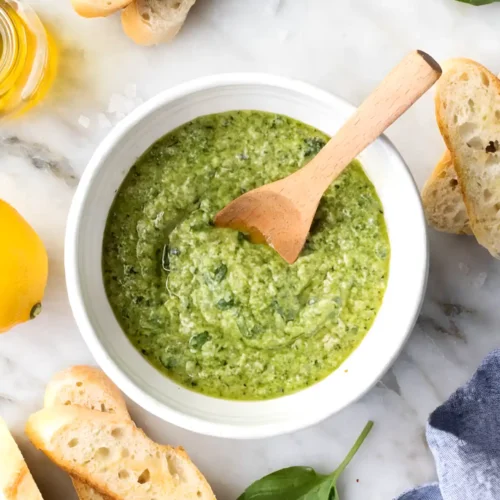
Fresh Basil Pesto Recipe

Ingredients
Nut and Flavor Base
- ½ cup pine nuts lightly toasted until golden and fragrant
- 2 tablespoons fresh lemon juice freshly squeezed
- 1 small garlic clove peeled
- ¼ teaspoon fine sea salt
- ⅛ teaspoon freshly ground black pepper a few turns
Herb Blend
- 2 cups fresh basil leaves packed, washed and fully dried
Creamy Finish
- ¼ cup extra virgin olive oil plus extra if needed for texture
- ¼ cup Parmesan cheese freshly grated, optional
Instructions
- Toast the pine nuts in a dry skillet over medium heat for 3 to 5 minutes, stirring frequently until lightly golden and fragrant. Remove from heat and let them cool completely.
- Place the toasted pine nuts, fresh lemon juice, garlic clove, sea salt, and black pepper into a food processor. Pulse several times until finely chopped but not pasty.
- Add the fresh basil leaves. Pulse in short bursts until the basil is broken down and evenly combined with the nut mixture. Scrape down the sides as needed.
- With the processor running, slowly drizzle in the extra virgin olive oil. Blend until the pesto becomes creamy but still slightly textured.
- Add the grated Parmesan cheese, if using, and pulse just a few times to combine. Avoid over processing to preserve the fresh basil flavor.
- Taste and adjust seasoning with additional salt or lemon juice if needed. Add a small splash of olive oil for a looser consistency if desired.
Notes
Nutrition Facts (Per Serving)
- Calories: 180 kcal
- Total Fat: 18g
- Saturated Fat: 3g
- Protein: 4g
- Carbohydrates: 3g
- Fiber: 1g
- Sugars: 0g
- Sodium: 160mg
- Cholesterol: 5mg
FAQs
How do I make my own pesto?
To make your own pesto, blend fresh basil leaves, toasted pine nuts, garlic, lemon juice, salt, and pepper in a food processor. Pulse until finely chopped. Slowly add extra virgin olive oil while blending until the texture turns creamy. Stir in grated Parmesan if desired. Taste and adjust salt or lemon as needed.
What are the best nuts to substitute for pine nuts in pesto?
Walnuts are a popular substitute and give a slightly richer flavor. Almonds create a mild, slightly sweet taste. For a nut free option, use toasted sunflower seeds or pepitas. Always toast the nuts or seeds first to deepen their flavor.
How do I keep pesto from turning brown?
Air causes basil to darken. After placing pesto in a container, smooth the top and pour a thin layer of olive oil over the surface. This oil layer blocks air and slows browning. Store it in an airtight container in the fridge.
Should pesto have lemon juice?
Yes, lemon juice adds brightness and balance. It cuts through the richness of the olive oil and cheese. It also helps keep the flavor fresh and lively. A small amount goes a long way.
How long does homemade pesto last?
Homemade pesto lasts up to 3 days in the refrigerator when stored in an airtight container with a thin layer of olive oil on top. For longer storage, freeze it in ice cube trays and keep the cubes in a sealed freezer bag for up to 3 months.
What are common pesto making mistakes?
Over blending is a common mistake. Too much processing creates heat, which can make the basil taste bitter. Using wet basil leaves can also thin the sauce and dull the flavor. Skipping toasted nuts reduces depth. Always dry the basil well and pulse in short bursts for the best texture.