
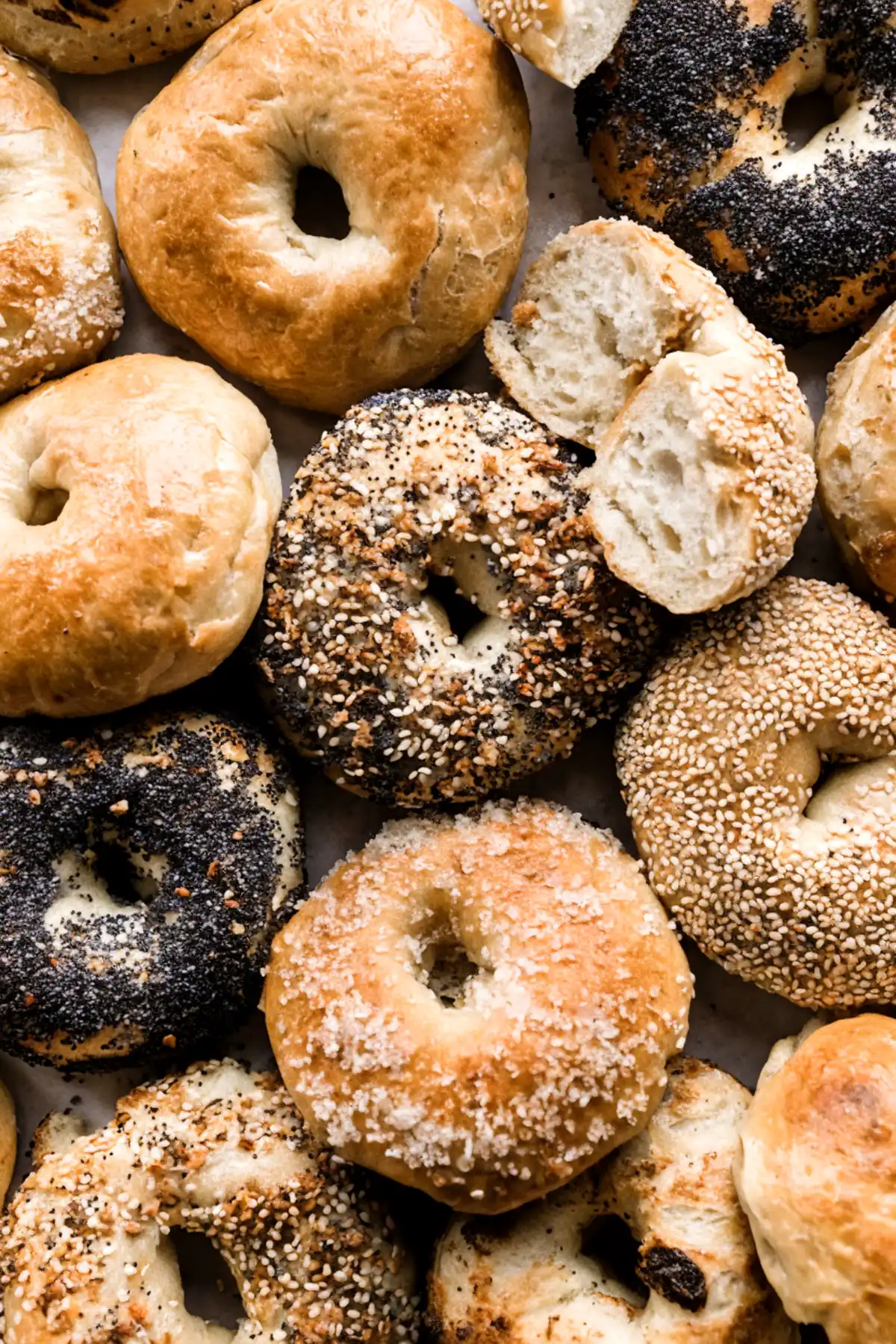
A great bagel recipe can change your mornings fast. I still remember the first time I made bagels at home. The smell alone made the effort worth it. Fresh, warm, and slightly crisp on the outside, they beat anything from a store.
This guide gives you a clear path to soft, chewy bagels with a golden crust. You do not need special skills. You just need the right steps and a bit of patience. By the end, you will have bakery-style bagels right from your own kitchen.
Table of Contents
Why You’ll Love This Recipe
- Quick and simple steps that guide you from start to finish without confusion
- Uses basic ingredients that are easy to find in any kitchen
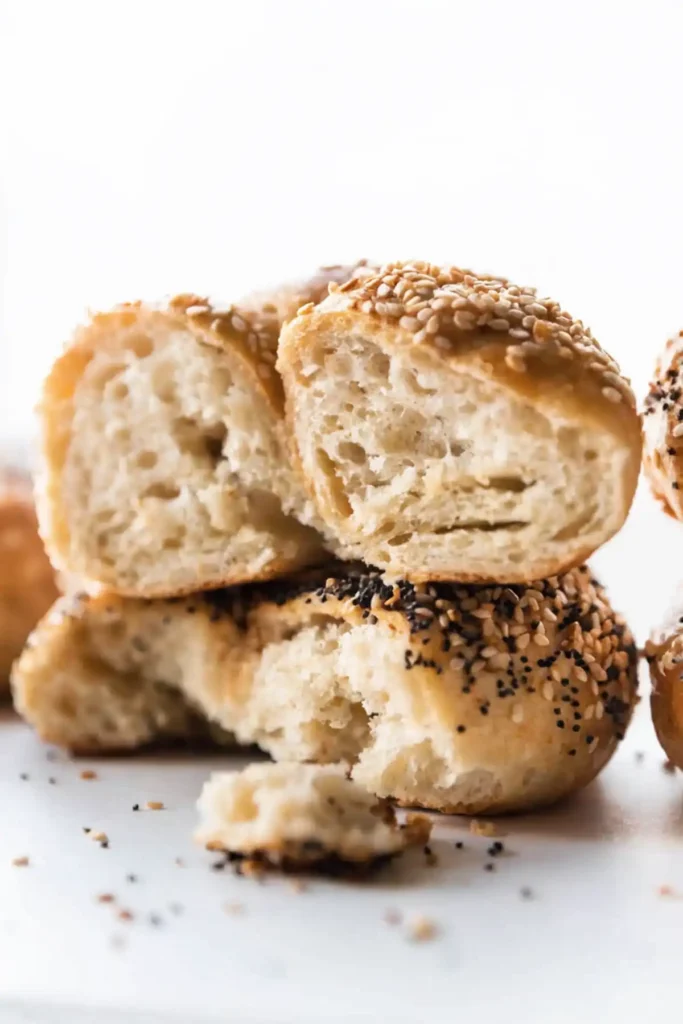
- Gives you that classic chewy texture with a crisp, shiny crust
- Works well for breakfast, brunch, or even a quick sandwich base
- Lets you create both sweet and savory flavors in one batch
This recipe stands out because it explains not just what to do, but why each step matters. The boiling stage, the dough texture, and the shaping method all work together to give you that true bakery feel.
Ingredients Needed
For the Dough
- 1 and 1/2 cups warm water, about 100 to 110°F. The water should feel warm, not hot, to help activate the yeast
- 2 and 3/4 teaspoons instant or active dry yeast. This helps the dough rise and develop structure
- 1 tablespoon barley malt syrup, or you can use granulated sugar or brown sugar for a slightly different flavor
- 4 cups bread flour, spooned and leveled. Bread flour gives the bagels their chewy texture due to higher protein
- 2 teaspoons salt to balance the flavor and strengthen the dough
For Preparing the Bowl
- Nonstick spray, butter, or oil to lightly coat the bowl and prevent sticking
For Boiling and Topping
- 2 quarts water for the boiling step
- 1/4 cup barley malt syrup or honey. This adds a mild sweetness and helps create a shiny crust
- Egg wash made from 1 egg white mixed with 1 tablespoon water. This gives the bagels a golden finish
Each ingredient plays a clear role. When combined in the right way, they create that classic bagel texture and flavor you expect.
How to Make This Bagel Recipe
- Activate the yeast
In a large mixing bowl or stand mixer bowl, combine the warm water, yeast, and barley malt syrup or sugar. Stir gently, then cover and let it sit for about 5 minutes. You should see a light foam on top. This shows the yeast is active and ready. - Mix the dough
Add the bread flour and salt to the yeast mixture. Mix on medium speed for about 2 minutes, or stir by hand until a rough dough forms. The dough should pull away from the sides of the bowl. If it feels too sticky, add a small amount of flour one spoon at a time. If it feels too dry or breaks apart, add a few drops of water. The goal is a firm, slightly dry dough. - Knead until smooth
Knead the dough using a mixer on low speed or by hand on a lightly floured surface for 6 to 7 minutes. The dough should become smooth and elastic. Press it lightly with your finger. If it slowly springs back, it is ready. You can also stretch a small piece thin enough to let light pass through without tearing. This shows strong gluten development, which gives bagels their chew. - First rise
Lightly grease a clean bowl with oil or butter. Place the dough inside and turn it so all sides are coated. Cover with a towel or plastic wrap. Let it rise at room temperature for 1.5 to 2 hours until it doubles in size. This step builds structure and flavor. - Prepare trays and divide dough
Line two baking sheets with parchment paper or silicone mats. Once the dough has risen, press it down gently to release air. Transfer it to a work surface and divide into 8 equal pieces, about 4 ounces each. - Shape the bagels
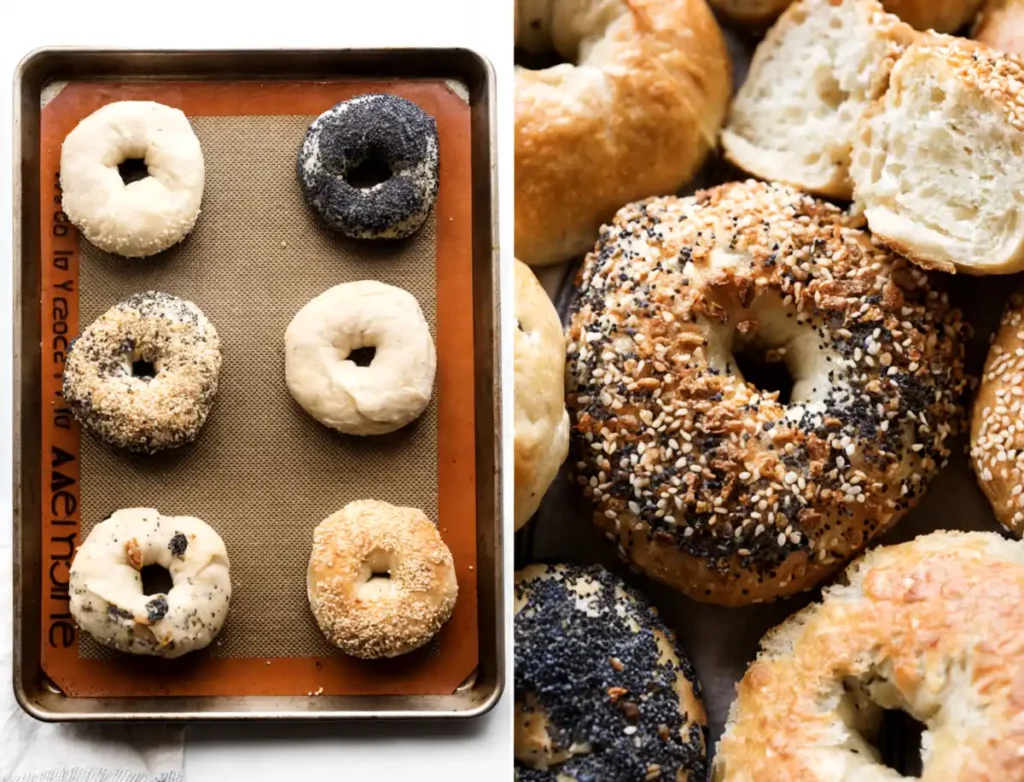
Roll each piece into a smooth ball. Press your finger through the center to create a hole. Gently stretch the hole until it is about 1.5 to 2 inches wide. The dough will shrink slightly, so make the hole a bit larger than you expect. Place shaped bagels on the prepared trays and cover loosely. Let them rest for 5 to 10 minutes. - Preheat and prepare water bath
Preheat your oven to 425°F. In a large pot, bring 2 quarts of water to a boil. Stir in the barley malt syrup or honey. Then reduce heat slightly so the water stays at a steady boil. - Boil the bagels
Place 2 to 3 bagels into the boiling water at a time. Do not overcrowd the pot. Boil each side for 1 minute. This step sets the crust and helps create the shiny finish. Remove with a slotted spoon and place back on the baking sheets. - Add egg wash and toppings
Brush each bagel with the egg white mixture. This helps them turn golden in the oven. If you want toppings, add them now while the surface is still wet so they stick well. - Bake to golden perfection
Bake for 20 to 25 minutes. Rotate the trays halfway through for even color. The bagels should be deep golden brown when done. Let them cool on the tray for 20 minutes, then move to a rack to cool fully. - Serve and store
Slice and toast as you like. Add your favorite toppings. Store leftovers in a sealed container at room temperature for up to 4 days or refrigerate for up to 1 week.
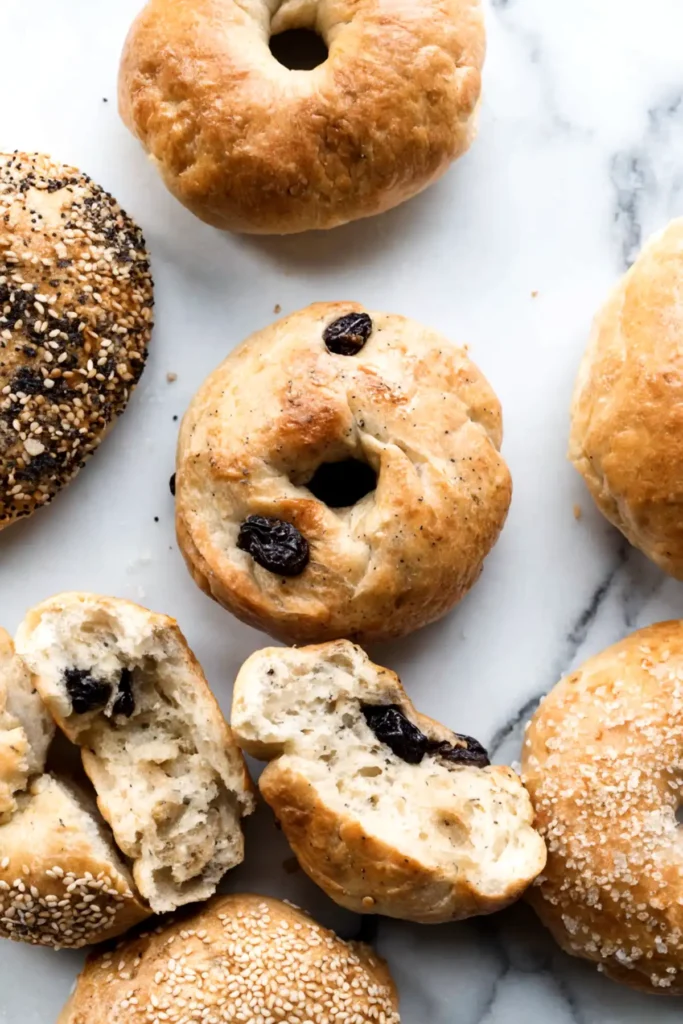
Customizing Your Batch: Varieties and Add-ins
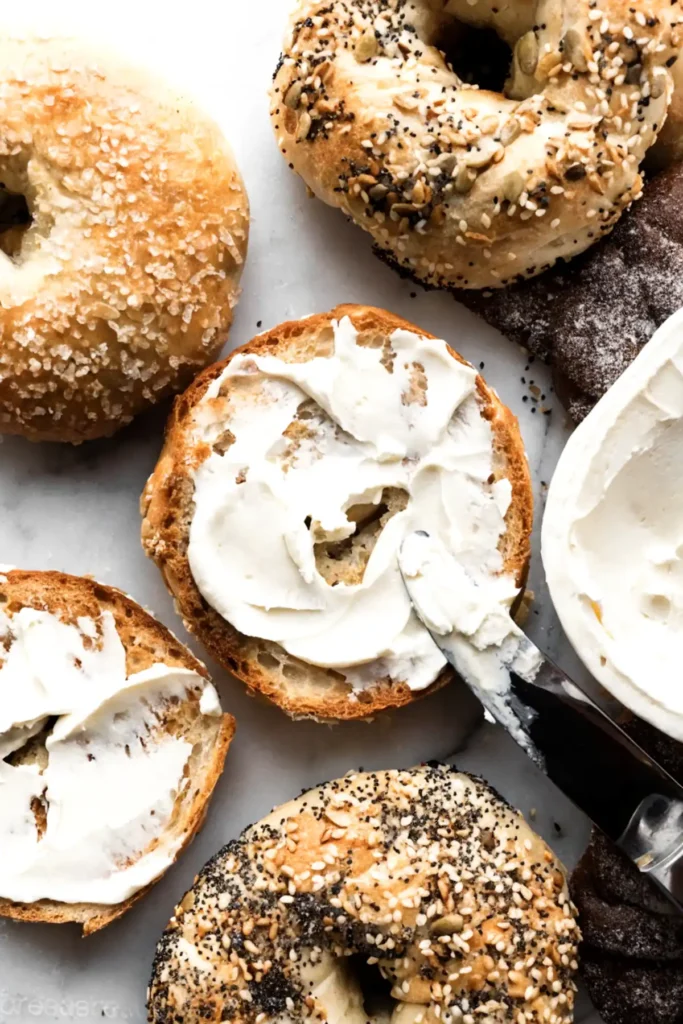
One of the best parts of making bagels at home is the freedom to adjust flavors to match your taste. You can keep it classic or try something new with each batch.
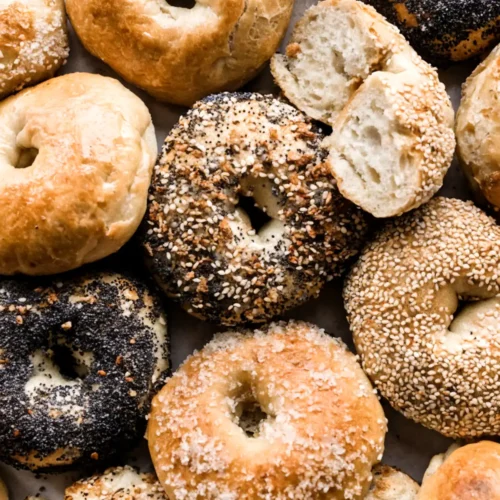
Everything Bagels
Mix poppy seeds, sesame seeds, dried garlic, and onion flakes. After applying the egg wash, press the top of each bagel into the mixture. This gives a bold, savory flavor with a slight crunch.
Cinnamon Crunch
Add 1 teaspoon of cinnamon directly into the dough during mixing. For the topping, sprinkle a mix of sugar and cinnamon over the egg wash. This version turns slightly crisp on top and has a warm, sweet taste.
Cheese Bagels
Stir in about 1/2 cup of shredded cheese like Asiago or Cheddar during the dough stage. The cheese melts as it bakes, creating a rich flavor and a soft, slightly gooey texture inside.
Blueberry Bagels
Fold in fresh or dried blueberries gently after the dough forms. Add them slowly to avoid crushing them. This helps keep the dough from turning purple and keeps the flavor clean and slightly sweet.
You can also mix ideas. Try cheese with jalapeño for heat or cinnamon with raisins for a classic twist. Each change gives you a new result without changing the base recipe.
Make-Ahead and Storage Guide
Planning ahead can save time and also improve the flavor of your bagels. Here are simple ways to store and prepare them in advance.
Overnight Option
After preparing the dough, place it in the fridge and let it rise overnight. This slow rise builds a deeper flavor and improves texture. The next day, take the dough out and let it sit at room temperature for about 45 minutes before shaping.
Freezing
You can freeze baked bagels once they have cooled completely. Place them in a sealed bag or container and store for up to 3 months. When ready to eat, thaw at room temperature or warm them in the oven for a fresh taste.
Storage
Keep bagels in a sealed container at room temperature for up to 4 days. If you need to store them longer, place them in the fridge for up to 1 week. For best results, slice and toast before serving to bring back their texture and flavor.
Common Bagel Mistakes
Why are my bagels wrinkly
Wrinkly bagels often happen when the dough is handled too much after resting or when the boiling water is too rough. Keep the boil steady, not too aggressive. Also, avoid moving the shaped bagels too much before boiling.
Why did the hole close up
The dough tends to shrink during resting and baking. If the hole looks small before boiling, it will likely close. Make the center hole wider than you think, around 1.5 to 2 inches, so it keeps its shape.
Why are my bagels not browning
A pale surface usually means something was skipped in the process. The sweetener in the water bath helps with color. The egg wash also gives a golden finish. Make sure both steps are done properly for a rich color.
Conclusion
This bagel recipe gives you everything you need to make bakery-style bagels at home with ease. You get a chewy inside, a golden crust, and full control over flavor. The clear steps and simple ingredients make the process smooth, even if it is your first time baking.
Now it is your turn to try it. Did you go for a classic version or test a new flavor? Leave a comment below and share your result. A star rating also helps others decide to give it a try.
If you enjoyed this recipe, share it with friends on Pinterest or Facebook. Fresh bagels are always better when shared.
YOU MIGHT ALSO LIKE…
Bagel Recipe

Ingredients
Dough
- 1.5 cups warm water about 100–110°F
- 2.75 teaspoons yeast instant or active dry
- 1 tablespoon barley malt syrup or sugar
- 4 cups bread flour spooned and leveled
- 2 teaspoons salt
Boiling and Topping
- 2 quarts water for boiling
- 0.25 cup barley malt syrup or honey
- 1 egg white mixed with 1 tablespoon water
Instructions
- In a large bowl, combine warm water, yeast, and barley malt syrup or sugar. Stir gently and let sit for 5 minutes until foamy.
- Add bread flour and salt. Mix until a firm dough forms. Adjust with small amounts of flour or water if needed.
- Knead the dough for 6–7 minutes until smooth and elastic. It should spring back when pressed.
- Place dough in a lightly greased bowl, cover, and let rise for 1.5 to 2 hours until doubled in size.
- Line baking sheets. Punch down dough and divide into 8 equal pieces.
- Shape each piece into a ball, then poke a hole in the center and stretch slightly to form a bagel shape.
- Let shaped bagels rest for 5–10 minutes while preheating oven to 425°F (220°C).
- Bring water to a boil and add barley malt syrup or honey.
- Boil bagels 2–3 at a time for 1 minute per side. Remove with a slotted spoon.
- Brush bagels with egg wash and add toppings if desired.
- Bake for 20–25 minutes until deep golden brown. Rotate trays halfway through.
- Cool on tray for 20 minutes, then transfer to a rack. Slice and serve as desired.
Notes
Nutrition Facts Per Serving
- Calories: 247 kcal
- Carbohydrates: 51.9 g
- Protein: 8.1 g
- Fat: 0.8 g
- Saturated Fat: 0.1 g
- Fiber: 1.8 g
- Sugar: 2.4 g
- Sodium: 595 mg
FAQs
What’s the secret to chewy bagels?
The key is using bread flour and kneading the dough well. Bread flour has more protein, which helps build strong gluten. This creates that dense and chewy texture. The boiling step also plays a big role by setting the outer layer before baking.
What flour is best for bagels?
Bread flour is the best choice. It gives structure and chew that you cannot get with regular flour. You can use all purpose flour, but the result will be softer and less firm.
How long should I boil bagels?
Boil each bagel for about 1 minute per side. This time is enough to form the outer layer. A longer boil will make the crust thicker and chewier, while a shorter one will give a softer bite.
Why are my homemade bagels flat?
Flat bagels often come from over proofed dough or weak structure. If the dough rises too long, it loses strength. Make sure the dough feels firm and springs back when touched before shaping.
Why put honey in water for bagels?
Honey or barley malt syrup adds a light sweetness and helps the bagels brown in the oven. It also supports the shiny finish on the crust after baking.
Are bagels baked or just boiled?
Bagels are both boiled and baked. Boiling shapes the crust and locks in structure. Baking then finishes the process by giving color and a firm outside with a soft inside.