
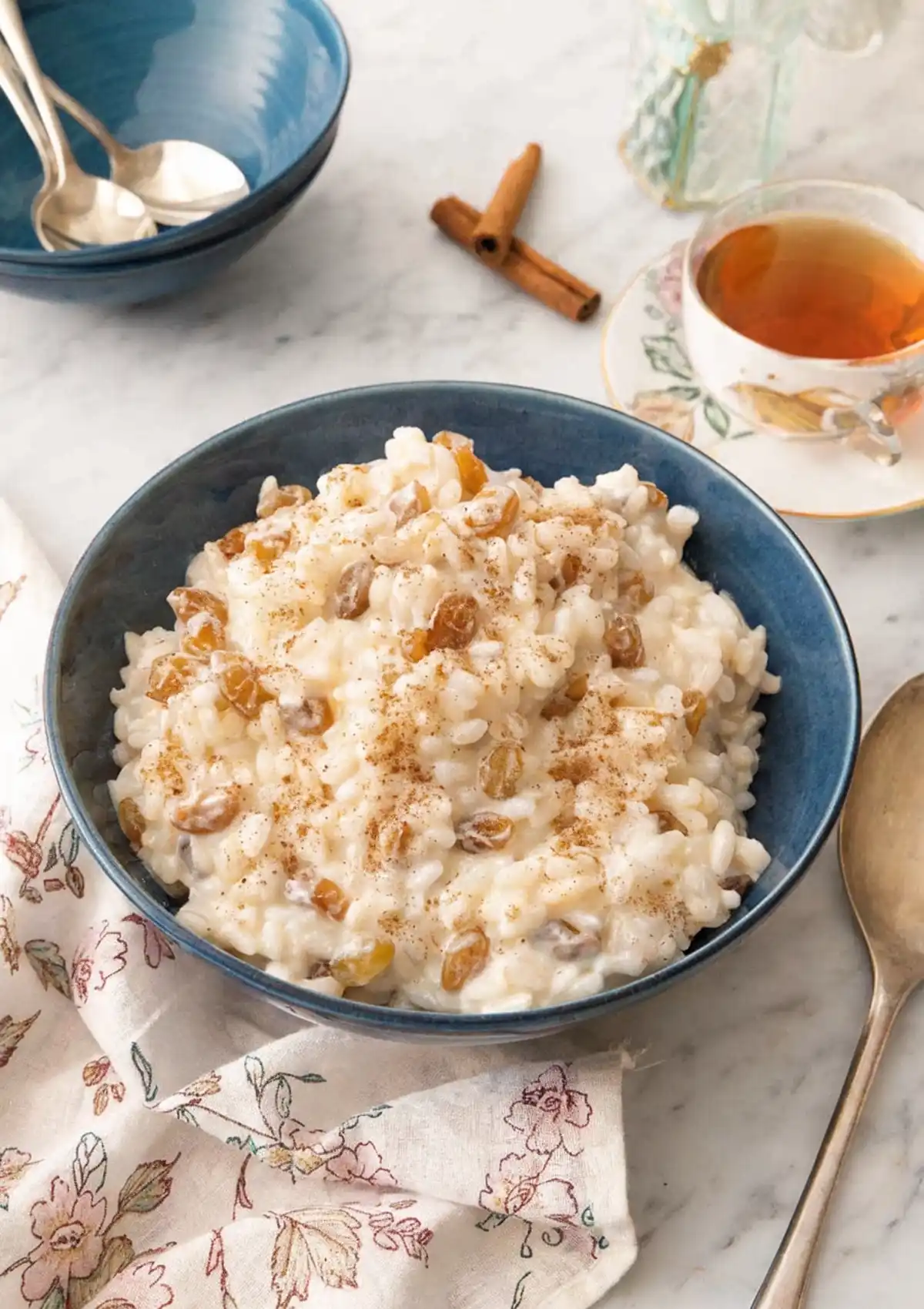
I have made rice pudding more times than I can count, and each batch taught me something new about texture, flavor, and timing. This simple dessert can turn basic pantry items into something warm and satisfying in under an hour. The secret is not fancy tools. It is knowing when the rice is just right and when the milk turns smooth and creamy. If you want a recipe that feels homemade, tastes rich, and works every time, you are in the right place.
Table of Contents
Why You’ll Love This Recipe
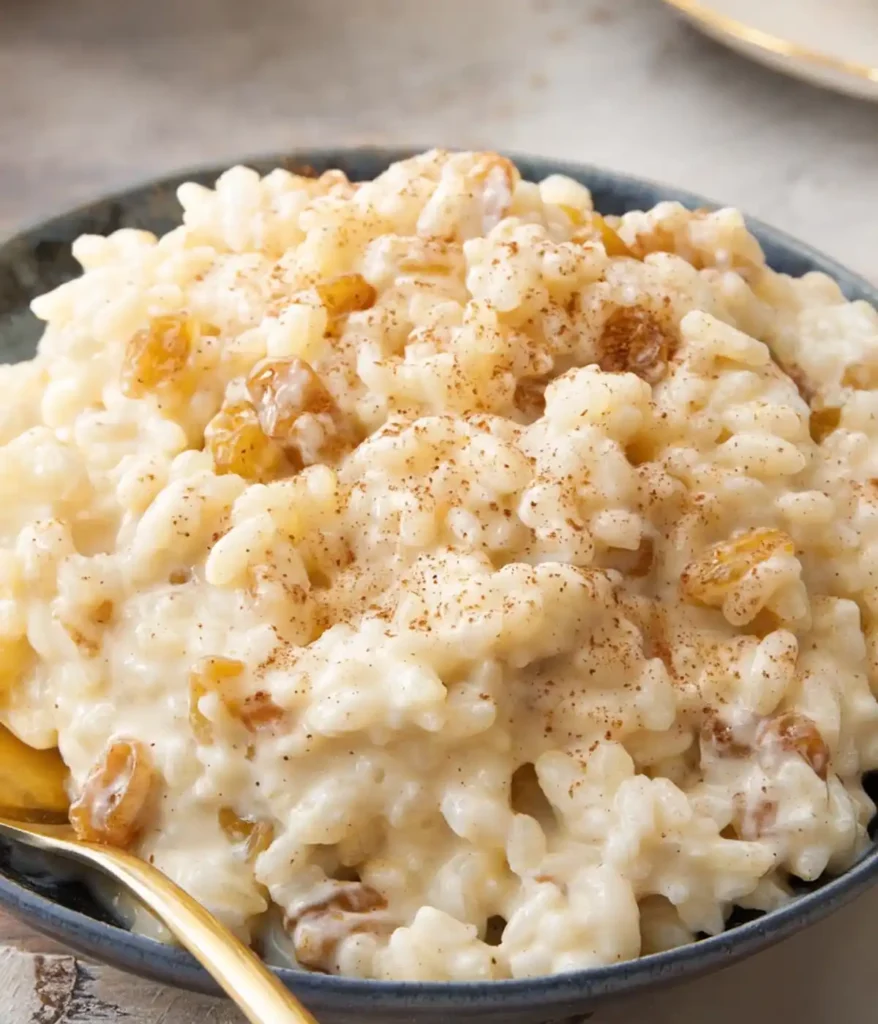
- Quick and easy to prepare with simple steps that anyone can follow
- Uses basic ingredients you likely already have at home
- Creates a rich and creamy texture without complicated techniques
- Perfect for a cozy dessert, family treat, or make-ahead snack
- Flexible recipe that works warm or chilled based on your preference
This version stands out because it focuses on texture and control. The slow simmer helps the rice release its natural starch, which gives that smooth and creamy finish without extra effort.
Ingredients Needed
For the base
- Whole milk, 4½ cups, full-fat for a richer and smoother texture
- Granulated sugar, ¼ cup, adjust slightly if you prefer it less sweet
- A small pinch of salt, helps balance the sweetness and bring out flavor
- Short grain white rice, ¾ cup uncooked, this type releases more starch for a creamy result
For flavor and texture
- Raisins, ⅓ cup, optional but they add a soft and sweet bite
- Vanilla extract, 1 teaspoon, adds warmth and depth to the pudding
- Ground cinnamon, to taste, for a classic comforting finish
Each ingredient plays a clear role. The milk builds the creamy base, the rice thickens it naturally, and the flavor additions bring everything together into a smooth and comforting dessert.
How to Make Rice Pudding
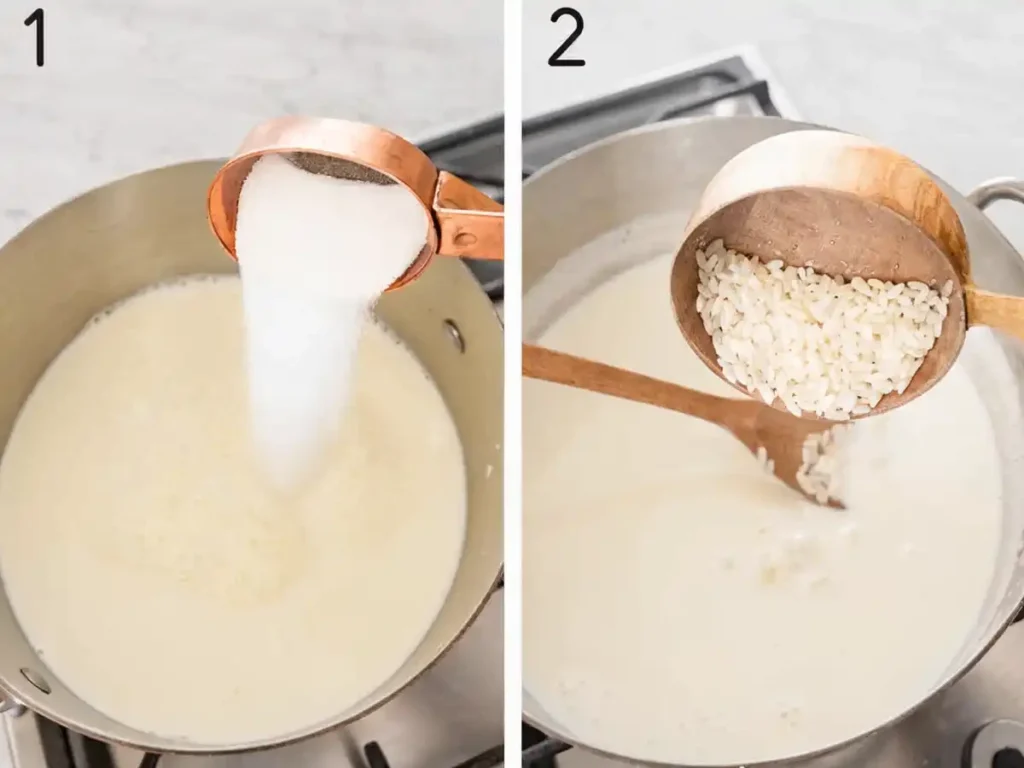
- In a large saucepan, combine the whole milk, sugar, and a pinch of salt. Place the pan over medium to medium-high heat. Stir gently as it warms so the sugar dissolves fully. Watch closely and bring it just to a gentle boil, not a rapid one, to avoid scorching the milk.
- Add the uncooked short grain rice to the hot milk mixture. Stir well to distribute the rice evenly. This step starts the thickening process as the rice begins to release starch.
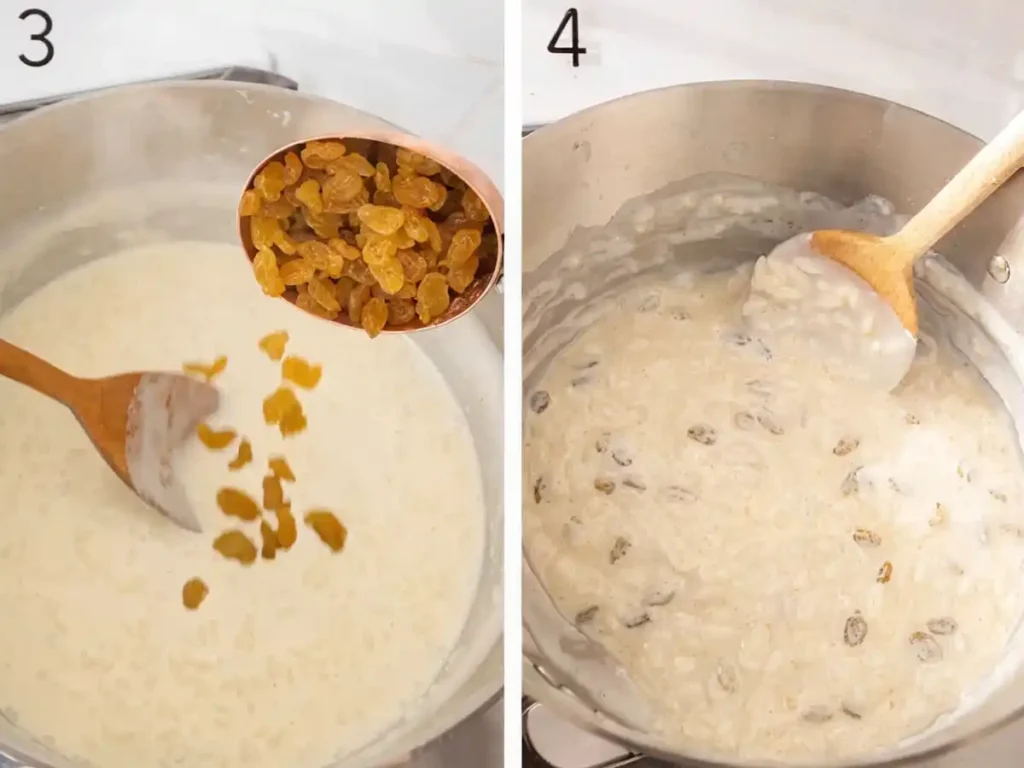
- Lower the heat to a gentle simmer and partially cover the pan. Let it cook slowly for about 25 to 30 minutes. Stir often, especially along the bottom of the pan, to prevent sticking. You will notice the mixture gradually becoming thicker and creamier as the rice softens.
- Check the texture. The rice should be tender, and the mixture should look similar to a loose yogurt. If it still looks too thin, continue cooking a few more minutes while stirring.
- Add the raisins if you are using them, along with the vanilla extract and a sprinkle of cinnamon. Stir everything together and continue cooking for a few more minutes. This allows the flavors to blend and the raisins to soften.
- Adjust the thickness to your liking. Keep in mind the pudding will thicken more as it cools. If it becomes too thick, stir in a small amount of milk to loosen it.
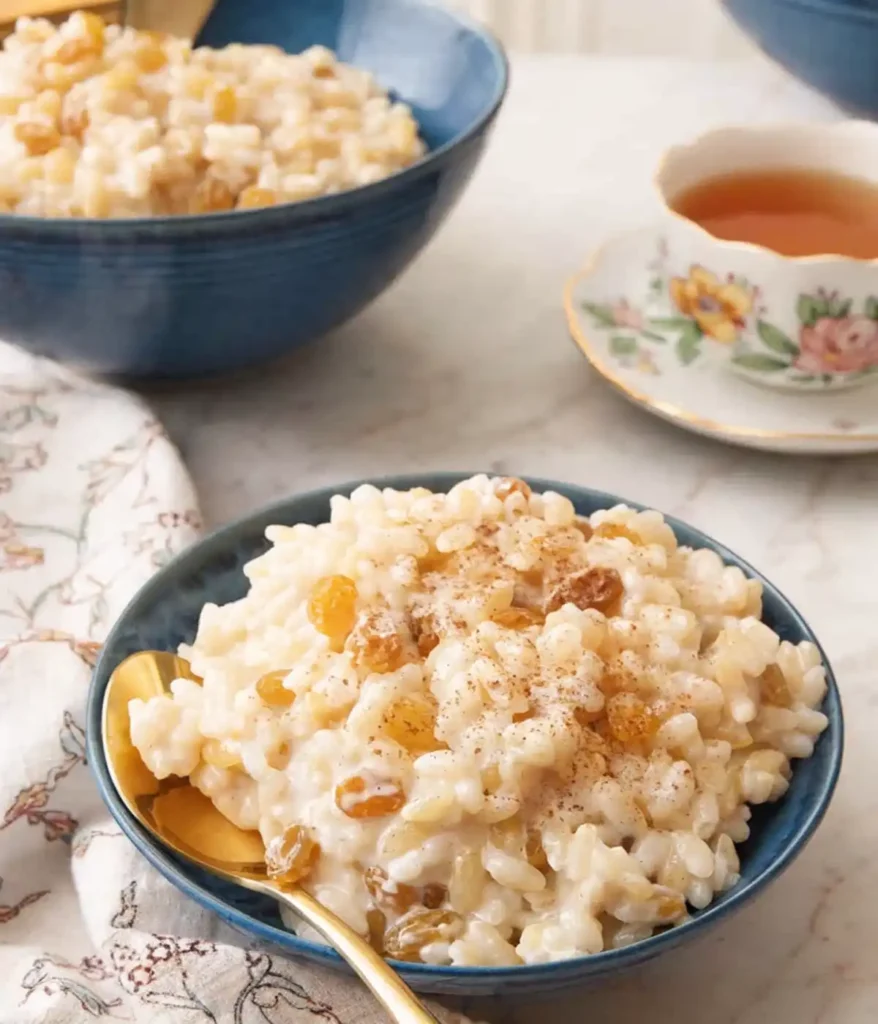
- Remove from heat and decide how you want to serve it. Enjoy it warm for a cozy texture, or let it cool to room temperature. For a chilled version, transfer it to an airtight container and place it in the fridge. Before serving, add a little extra cinnamon on top if you like.
Pro Tips for the Best Results
Use a cream swap for extra richness
Replace about half a cup of milk with heavy cream if you want a thicker and more indulgent texture. This small change gives the pudding a smoother and fuller taste.
Add eggs for a custard-style version
If you prefer a deeper, custard-like texture, whisk one or two eggs in a separate bowl. Slowly add a small amount of the hot rice mixture into the eggs while whisking. This step warms the eggs gently. Then pour the mixture back into the pot and cook on low heat while stirring until it thickens.
Choose the right pot for even cooking
A heavy-bottomed saucepan or a Dutch oven works best. It spreads heat evenly and helps prevent the milk from burning at the bottom. This makes a big difference in both texture and flavor.
Stir regularly but not constantly
Frequent stirring keeps the rice from sticking and helps release starch for a creamy finish. You do not need to stir nonstop, but check and stir every few minutes.
Watch the texture as it cooks
The pudding thickens more as it cools. Stop cooking when it looks slightly loose, similar to soft yogurt. This way, it sets perfectly after resting.
Storage, Freezing, and Reheating
Refrigeration
Let the rice pudding cool to room temperature before storing. Transfer it to an airtight container and place it in the fridge. It stays fresh for up to 5 days. The texture will thicken over time, which is normal.
Freezing
Rice pudding can be frozen if needed. Place it in a freezer-safe container and store it for up to 2 to 3 months. For best results, thaw it overnight in the fridge before reheating.
Reheating tip for creamy texture
When reheating, always add a small splash of milk. Warm it gently on the stove or in the microwave while stirring. This helps bring back the smooth and creamy consistency instead of a thick or dry texture.
Conclusion
This rice pudding recipe works because it keeps things simple while delivering a rich and creamy result every time. With just a few basic ingredients and the right cooking method, you get a dessert that feels warm, comforting, and easy to adjust to your taste. You can serve it warm for a cozy feel or chilled for a refreshing treat.
If you tried this recipe, share your experience in the comments and leave a star rating. Your feedback helps others and keeps the recipe useful. You can also share it on Pinterest or Facebook so more people can enjoy it.
What twist did you add to your rice pudding? Did you use raisins, extra cinnamon, or something different? Tell us below.
YOU MIGHT ALSO LIKE…
Rice Pudding

Equipment
- Large saucepan
- Wooden spoon or spatula
- Measuring cups
- Measuring spoons
Ingredients
Base
- 4.5 cups whole milk full-fat preferred
- 0.25 cup granulated sugar adjust to taste
- 1 pinch salt
- 0.75 cup short grain white rice uncooked
Flavor and Texture
- 0.33 cup raisins optional
- 1 teaspoon vanilla extract
- 1 to taste ground cinnamon
Instructions
- In a large saucepan, combine the milk, sugar, and salt. Heat over medium to medium-high heat, stirring gently until the sugar dissolves and the mixture reaches a gentle boil.
- Add the uncooked rice and stir well to distribute evenly.
- Reduce heat to low and simmer gently, partially covered, for 25 to 30 minutes. Stir frequently to prevent sticking and ensure even cooking.
- Check the texture. The rice should be tender and the mixture should resemble a loose yogurt consistency.
- Add raisins (if using), vanilla extract, and cinnamon. Stir and cook for a few more minutes to blend flavors.
- Adjust thickness if needed by adding a small amount of milk. Remember it will thicken more as it cools.
- Remove from heat. Serve warm or allow to cool. For chilled pudding, refrigerate in an airtight container before serving.
Notes
Nutrition Facts Per Serving
- Calories: 387 kcal
- Carbohydrates: 65 g
- Protein: 12 g
- Fat: 9 g
- Saturated Fat: 5 g
- Polyunsaturated Fat: 0.4 g
- Monounsaturated Fat: 2 g
- Cholesterol: 33 mg
- Sodium: 106 mg
- Potassium: 532 mg
- Fiber: 2 g
- Sugar: 33 g
- Vitamin A: 445 IU
- Vitamin C: 0.4 mg
- Calcium: 346 mg
- Iron: 2 mg
FAQs
What’s the best type of rice for pudding?
Short grain or medium grain rice works best. These types release more starch during cooking, which creates a naturally creamy texture. Long grain rice can be used, but it tends to stay firmer and less creamy.
What are common rice pudding mistakes?
One common mistake is cooking on high heat, which can cause the milk to burn. Another issue is not stirring enough, leading to rice sticking at the bottom. Adding too much liquid at once can also make the pudding too thin. Patience and gentle heat make a big difference.
Can I use leftover rice for pudding?
Yes, you can use cooked rice. The texture will be slightly different since less starch is released. To adjust, reduce the cooking time and use a bit less milk at the start, then add more if needed to reach your desired consistency.
What is the ratio of rice to milk in rice pudding?
A common ratio is about 1 part rice to 6 parts milk. This allows the rice to cook fully while creating a smooth and creamy texture. You can adjust slightly depending on how thick you want the final result.
Do you boil rice before making rice pudding?
No, you do not need to boil the rice first for this method. The rice cooks directly in the milk, which helps release starch and build a creamy base. Cooking it separately can reduce that effect.
Is rice pudding better hot or cold?
It depends on your preference. Warm rice pudding feels cozy and soft, while chilled rice pudding becomes thicker and more refreshing. Both options work well, so you can enjoy it the way you like most.