
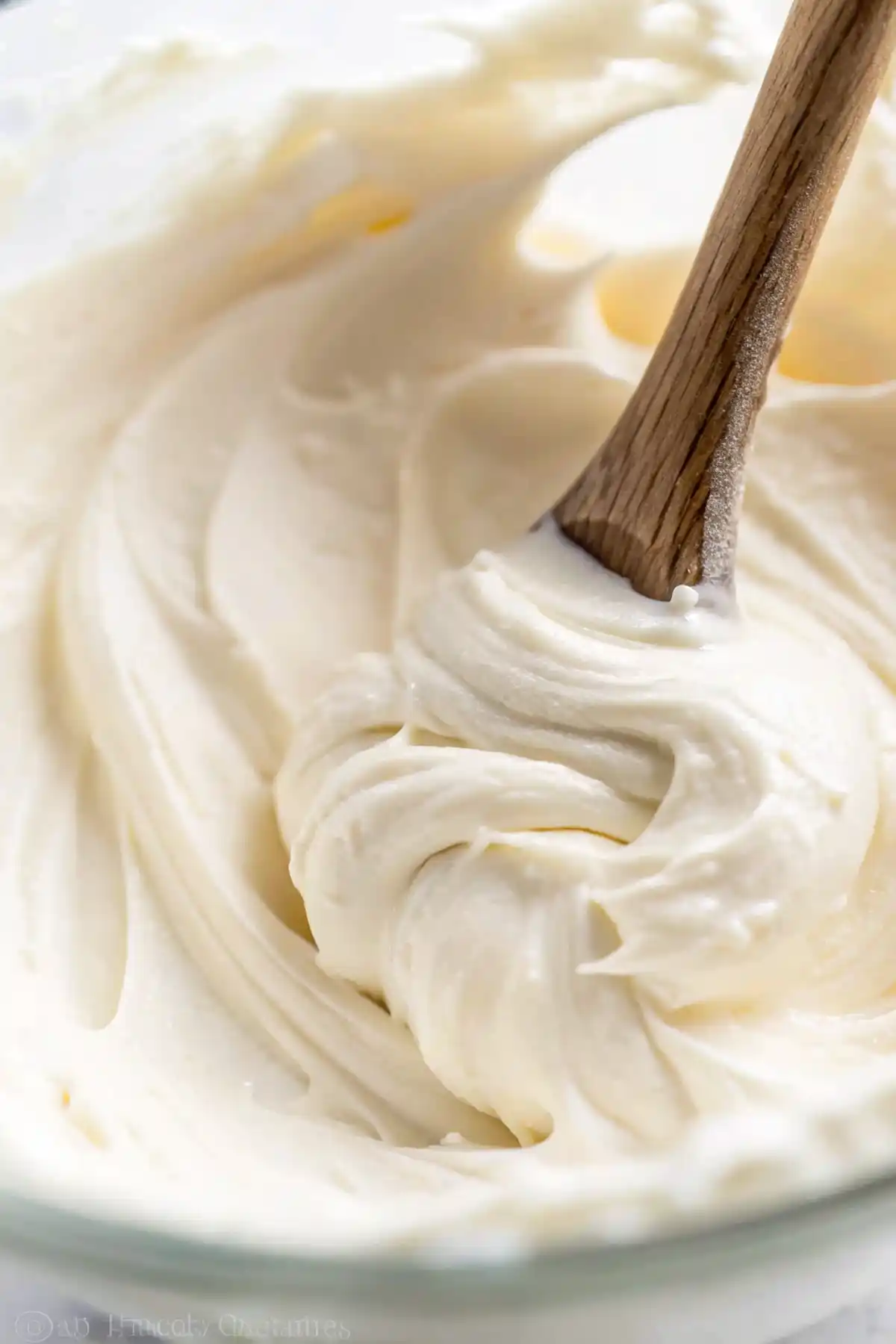
American Buttercream is the go-to choice for home bakers who want a frosting that’s reliable, beginner-friendly, and versatile enough for anything from layer cakes to cupcakes.
This specific recipe has been tested across hundreds of baking projects. It holds its shape beautifully for piping, spreads like a dream, and sets with just enough crust to make decorating easier.
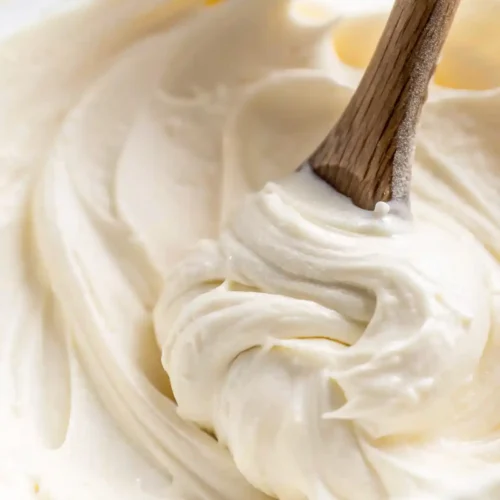
The real trick? A simple rule that most overlook. Whipping the butter for a full five minutes creates a smooth, professional finish that’s bright and fluffy — no shortcuts, no grainy texture.
Table of Contents
Why This American Buttercream Recipe Works
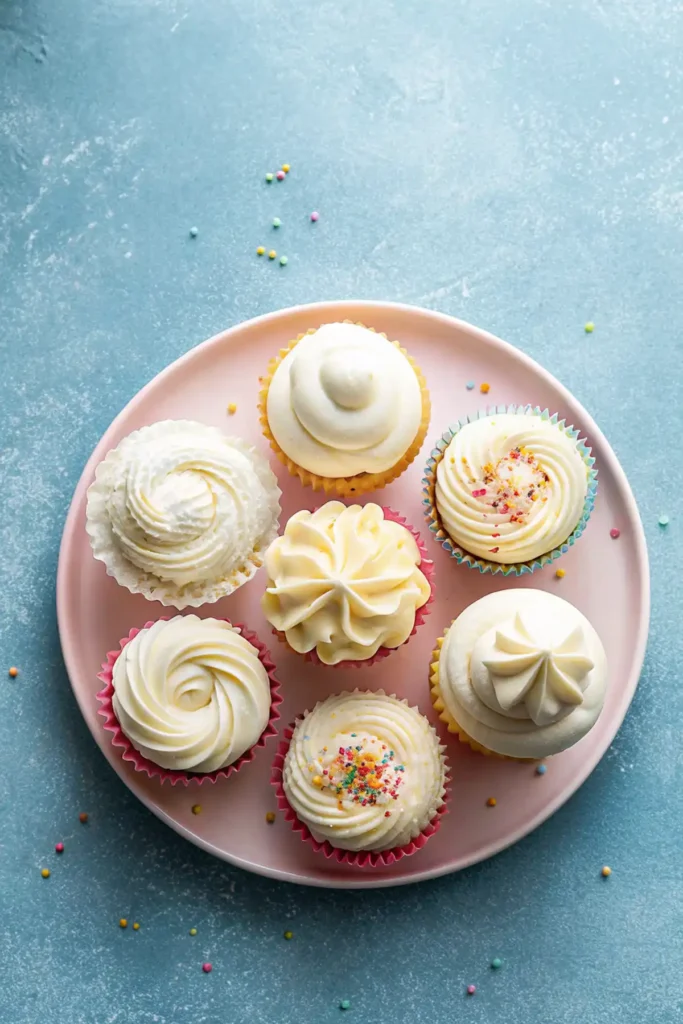
American Buttercream is different from other types like Swiss Meringue or Whipped Frosting. It skips the egg whites and cooking steps, making it quicker and easier to prepare. While Swiss Meringue has a glossy texture and Whipped Frosting feels airy and light, American Buttercream stands out for its simplicity and strength.
One of its biggest strengths is stability. It holds up well in warmer kitchens, making it a solid choice for piping flowers or detailed borders. It also has a longer shelf life, staying fresh for days without separating. Another unique benefit is its ability to crust slightly after sitting out, which makes smoothing or adding details much easier for decorators.
Ingredients Needed
For the base
- 1 cup unsalted butter, softened to room temperature
- 1 pound confectioners’ sugar, also known as powdered or icing sugar
- 1 tablespoon pure vanilla extract
For adjusting consistency
- 3 tablespoons heavy whipping cream
- 1 half teaspoon fine salt
Each ingredient plays a key role. Softened butter helps achieve a smooth texture. Confectioners’ sugar gives the frosting its body. Vanilla adds depth of flavor, and the cream brings everything together with a lighter, fluffier feel. The pinch of salt balances the sweetness so it doesn’t taste flat.
How to Make Buttercream Frosting
Step 1: Beat the butter and salt
Place the softened butter and salt into a stand mixer fitted with the paddle attachment. If you’re using a handheld mixer, that works too. Beat on medium speed for five full minutes. The goal is to whip air into the butter until it turns pale and fluffy. This is the secret to a smoother, whiter finish.
Step 2: Sift and mix the sugar in batches
Sift the confectioners’ sugar using a fine mesh strainer to remove any lumps. Add the sugar to the butter in small batches. Beat on low after each addition to prevent it from flying out of the bowl. Scrape down the sides often so everything blends evenly.
Step 3: Add cream and vanilla
Pour in the heavy cream and vanilla extract. Start mixing on low speed until the liquid is absorbed. Then increase to medium-high and beat until the frosting becomes light and airy. If the consistency feels too thick, add a small splash of cream. If it feels too thin, sprinkle in a bit more sugar.
Step 4: Final mix for a smooth finish
Once everything is fully blended, run the mixer on the lowest speed for about two minutes. This helps push out large air bubbles and gives you a smooth, professional texture that’s perfect for piping or spreading.
Pro Tips for Professional Results
How to Make Buttercream Whiter
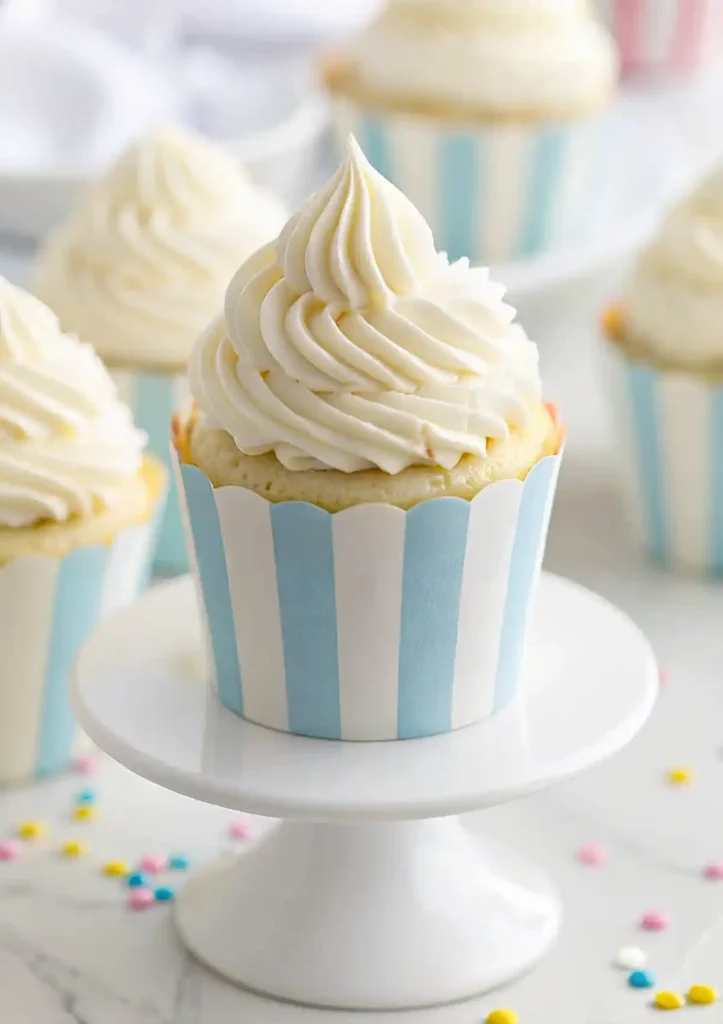
Start with the palest butter you can find since some brands are more yellow than others. Use clear vanilla extract instead of the usual dark kind. Most importantly, whip the butter alone for a full five minutes before adding sugar. This builds in air and makes the final frosting look brighter.
Getting the Perfect Piping Consistency
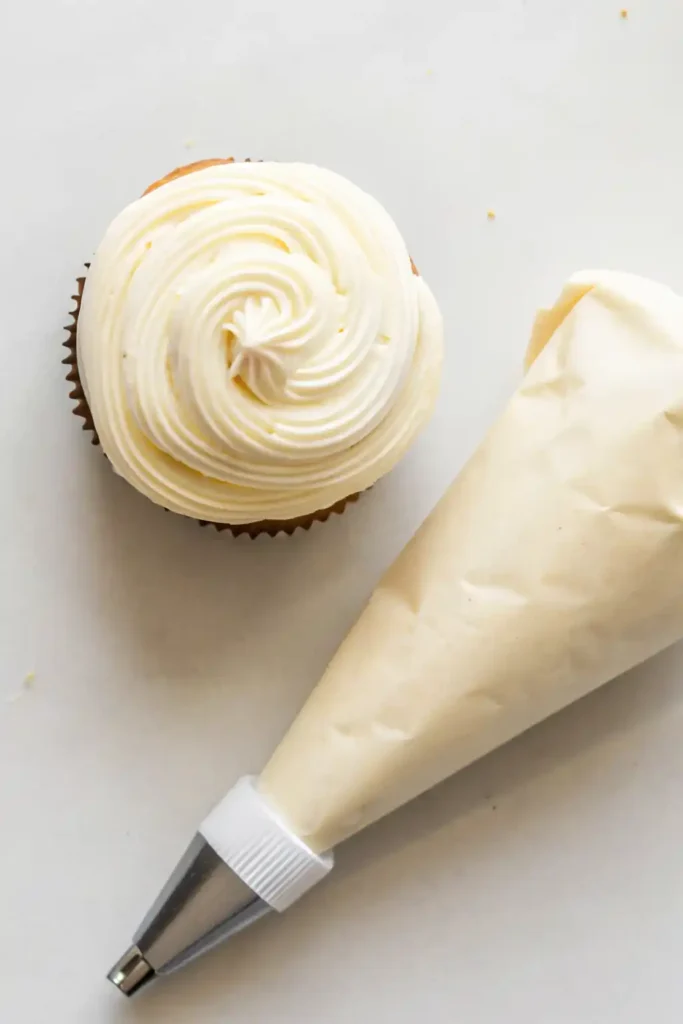
For crisp piping details like flowers or borders, add a little extra sugar to thicken the frosting. If you want a smoother texture for spreading on cakes, mix in a bit more cream. Always test a small amount with your piping tip before frosting your dessert.
Preventing Air Bubbles
After your final mix, let the mixer run on its lowest setting for two minutes. This helps knock out trapped air that can cause bubbles or holes when piping. Use a spatula to press the frosting against the bowl if needed to smooth it even more.
Flavor Variations
Chocolate Buttercream
Mix in unsweetened cocoa powder after adding the sugar. Start with a quarter cup and adjust to taste. Add an extra splash of cream to keep the texture smooth and spreadable.
Fruit Buttercream
Use freeze-dried fruit that’s been ground into a fine powder. Strawberry and raspberry work well without adding extra liquid. You can also use thick fruit purees, but be careful not to thin out the frosting too much.
Other Extracts and Add-Ins
Swap vanilla with almond, peppermint, or coconut extract to match different cake flavors. For more natural flavor, try adding citrus zest like lemon or orange. A small pinch goes a long way and gives a fresh twist to the classic base.
Troubleshooting: Why Is My Buttercream…?
Grainy
This usually happens when the sugar wasn’t sifted properly. Always sift confectioners’ sugar to remove clumps. Graininess can also come from beet sugar, which doesn’t dissolve as smoothly as cane sugar. Stick with pure cane sugar for the best texture.
Runny or Melting
If the butter was too soft or your kitchen is warm, the frosting can become loose. Chill the bowl in the fridge for fifteen minutes, then beat again. This helps bring it back to a workable texture without starting over.
Too Sweet
When the frosting tastes overly sweet, add a tiny pinch of salt or a few drops of lemon juice. These balance out the sugar without changing the texture. Be careful not to add too much liquid, or it may thin the consistency.
Storage and Make-Ahead Guide
Room Temperature
Buttercream can sit out safely for up to two days if covered and kept in a cool, dry place. Avoid direct sunlight or heat sources that could cause it to soften too much.
Refrigeration
Store leftover frosting in an airtight container in the fridge for up to one week. Before using, let it come back to room temperature and then re-whip until smooth. This helps restore the original fluffy texture.
Freezing
You can freeze buttercream for up to three months. Place it in a sealed freezer-safe container. When ready to use, thaw it overnight in the fridge, then let it reach room temperature. Re-whip until creamy and soft before applying.
Conclusion
This American Buttercream recipe delivers everything a home baker needs. It is sturdy enough for piping, smooth enough for spreading, and easy to prepare with simple pantry ingredients. The five-minute butter whipping trick takes it from average to bakery-level with minimal effort.
Whether you are frosting a birthday cake or topping a batch of cupcakes, this frosting holds up beautifully and tastes as good as it looks.
If you tried this recipe, leave a star rating and share your results in the comments. We would love to know how it worked for you. Did you try a flavor variation or have a favorite piping tip? Let us know below. And if you found this helpful, feel free to share it with friends on Pinterest or Facebook.
You Might Also Like:
Buttercream Frosting

Ingredients
Base
- 1 cup unsalted butter softened to room temperature
- 1 pound confectioners’ sugar also known as powdered or icing sugar
- 1 tablespoon pure vanilla extract
For adjusting consistency
- 3 tablespoons heavy whipping cream
- 0.5 teaspoon fine salt
Instructions
- Step 1: Beat the butter and salt
Place the softened butter and salt into a stand mixer fitted with the paddle attachment. Beat on medium speed for five full minutes until pale and fluffy. - Step 2: Sift and mix the sugar in batches
Sift the confectioners’ sugar with a fine mesh strainer. Add it to the butter gradually, beating on low after each addition. Scrape down the sides to mix evenly. - Step 3: Add cream and vanilla
Pour in the heavy cream and vanilla extract. Mix on low until incorporated, then increase to medium-high until light and airy. Adjust thickness with more cream or sugar if needed. - Step 4: Final mix for a smooth finish
Run the mixer on the lowest setting for two minutes to eliminate air bubbles. Use a spatula to smooth if necessary.
Notes
Nutrition Facts (Per Serving)
| Nutrient | Amount |
| Calories | 240 kcal |
| Total Fat | 14 g |
| Saturated Fat | 9 g |
| Cholesterol | 40 mg |
| Sodium | 65 mg |
| Total Carbs | 30 g |
| Sugars | 29 g |
| Protein | 0.5 g |
| Fiber | 0 g |
FAQs
Can I use salted butter?
Yes, but it will slightly change the flavor. If you use salted butter, skip the added salt in the recipe or taste as you go to avoid making it too salty.
How much frosting do I need for 24 cupcakes?
You will need about two and a half to three cups of frosting to generously frost 24 standard cupcakes. If you’re using piping tips for tall swirls, plan for a bit more.
How do I soften butter quickly?
Cut the butter into small cubes and let it sit at room temperature for about fifteen minutes. You can also place it in a warm (not hot) microwave-safe bowl for ten seconds at a time, checking between intervals to prevent melting.