
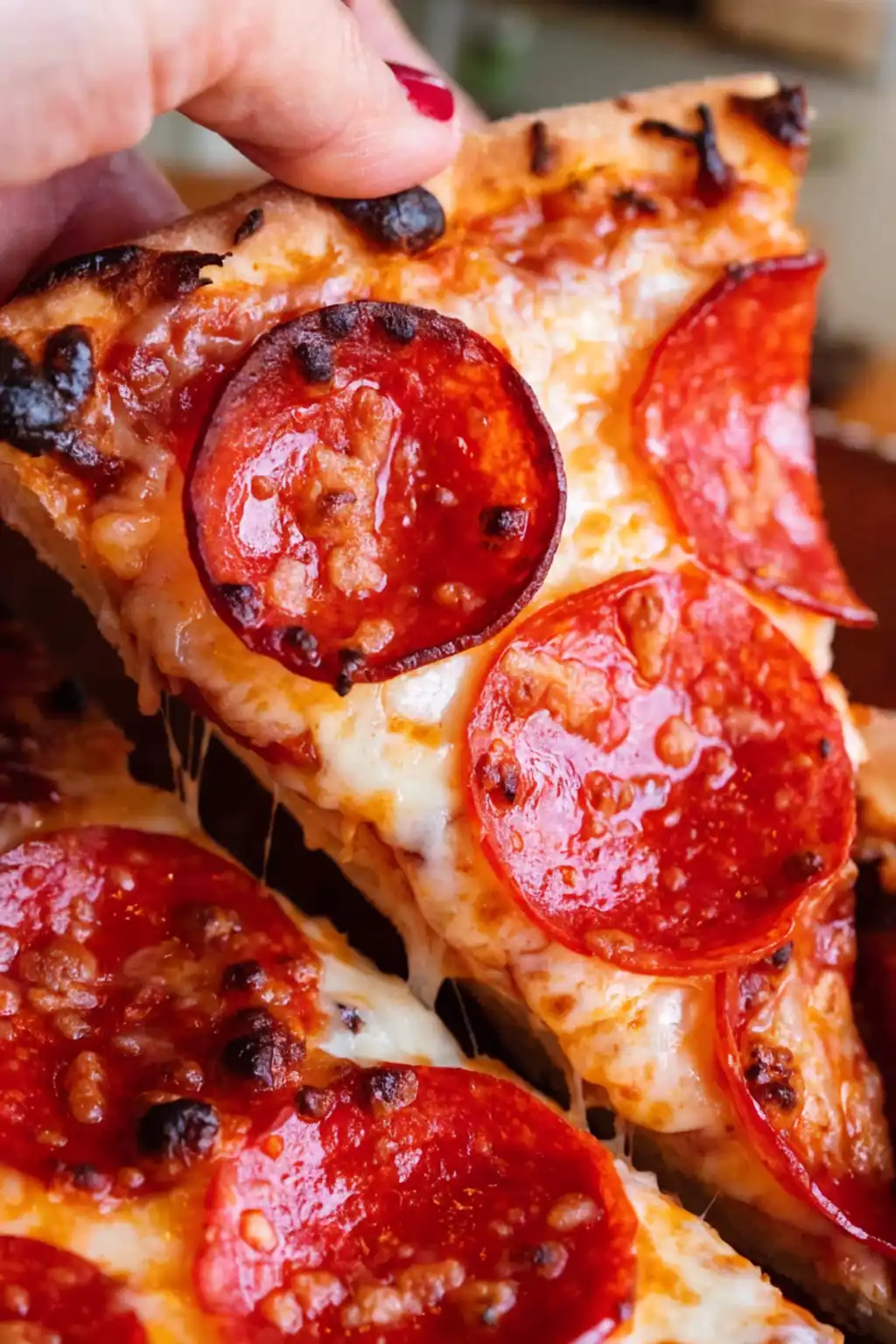
Homemade pizza gives you full control over flavor, texture, and toppings. I started making pizza at home after realizing how simple it can be with the right method. With a hot oven, good dough, and balanced toppings, you can create a crisp crust and rich flavor right in your kitchen. This homemade pizza recipe shows clear steps that help you get reliable results. You will learn how heat, dough handling, and smart topping choices work together to produce a pizza that tastes fresh, cheesy, and satisfying.
Table of Contents
Why You’ll Love This Homemade Pizza
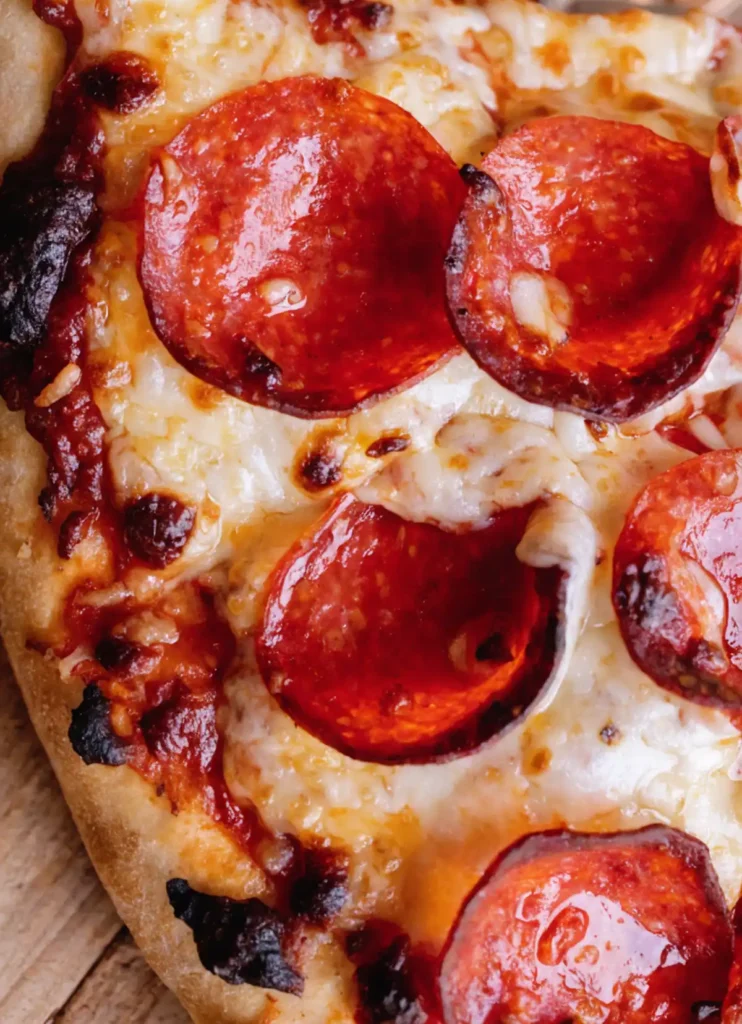
This homemade pizza recipe is simple, reliable, and full of flavor. It gives you a crisp crust, rich cheese, and balanced toppings without complicated steps. Here is why many home cooks enjoy making it again and again.
- Simple ingredients
You only need a few basic items such as pizza dough, mozzarella, sauce, and olive oil. - Crispy crust at home
A hot oven and pizza stone help create a golden crust that feels close to pizzeria style. - Easy to customize
You can add pepperoni, mushrooms, olives, sausage, or any toppings you enjoy. - Great for family nights
Homemade pizza brings people together. Kids and guests often enjoy choosing their own toppings. - Balanced flavor and texture
The mix of thin sliced mozzarella, shredded mozzarella, and parmesan gives a creamy melt with a slight salty bite.
Making pizza at home also feels rewarding. When the cheese bubbles and the crust turns golden, you know a great meal is only minutes away.
Ingredients Needed
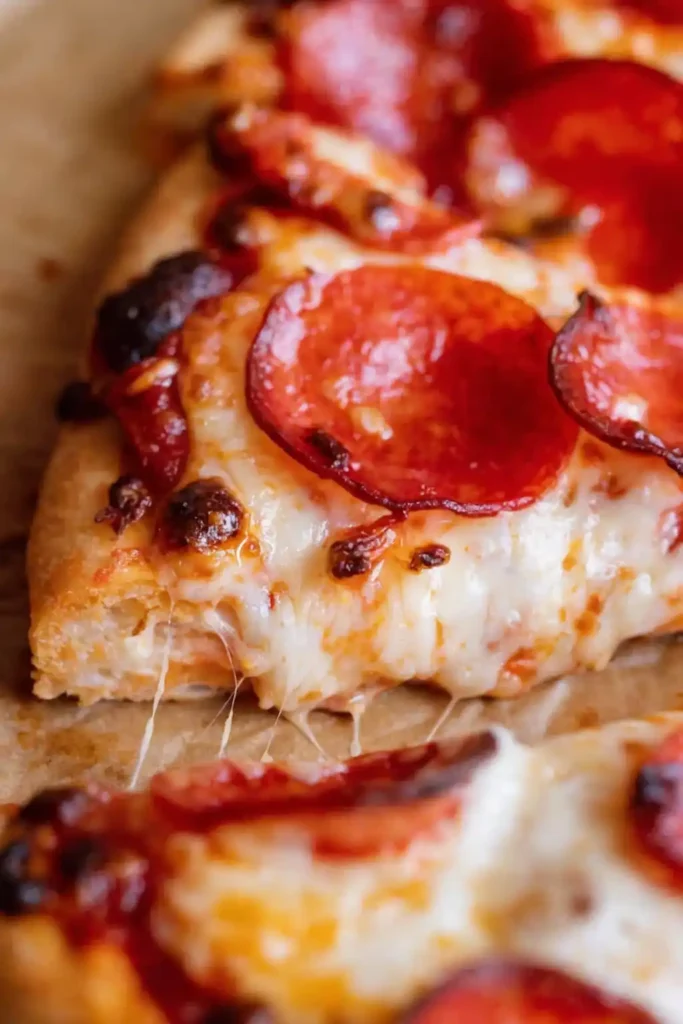
You only need a small set of ingredients to make a flavorful homemade pizza. Each item plays a clear role in texture, melt, and taste. The amounts below make one 12 inch pizza.
For the Pizza Base
- 1 pizza dough ball (about 12 to 16 ounces)
Use fresh pizza dough. A 16 ounce dough ball gives a slightly thicker crust, while 12 ounces makes a thinner pizza. - 1 tablespoon olive oil
Used to coat the dough before adding toppings. This layer helps the crust cook evenly and keeps sauce from soaking into the dough.
For the Sauce and Cheese
- 1 cup pizza sauce
A smooth tomato based sauce works best. Spread it evenly so the crust stays crisp. - 3 ounces thin sliced mozzarella cheese
Thin slices create a rich base layer that melts smoothly over the sauce. - 5 ounces shredded mozzarella cheese (about 1¼ cups)
Adds stretch and full cheese coverage across the pizza. - 2 tablespoons shredded parmesan cheese
Sprinkled on top for a sharp, salty finish that boosts flavor.
For the Topping
- 2.5 ounces pepperoni slices
About half of a standard 5 ounce package. Pepperoni adds a savory bite and a bit of spice.
You can also switch the pepperoni for toppings such as mushrooms, olives, sausage, or sliced onions if you want a different flavor profile.
How to Make Homemade Pizza
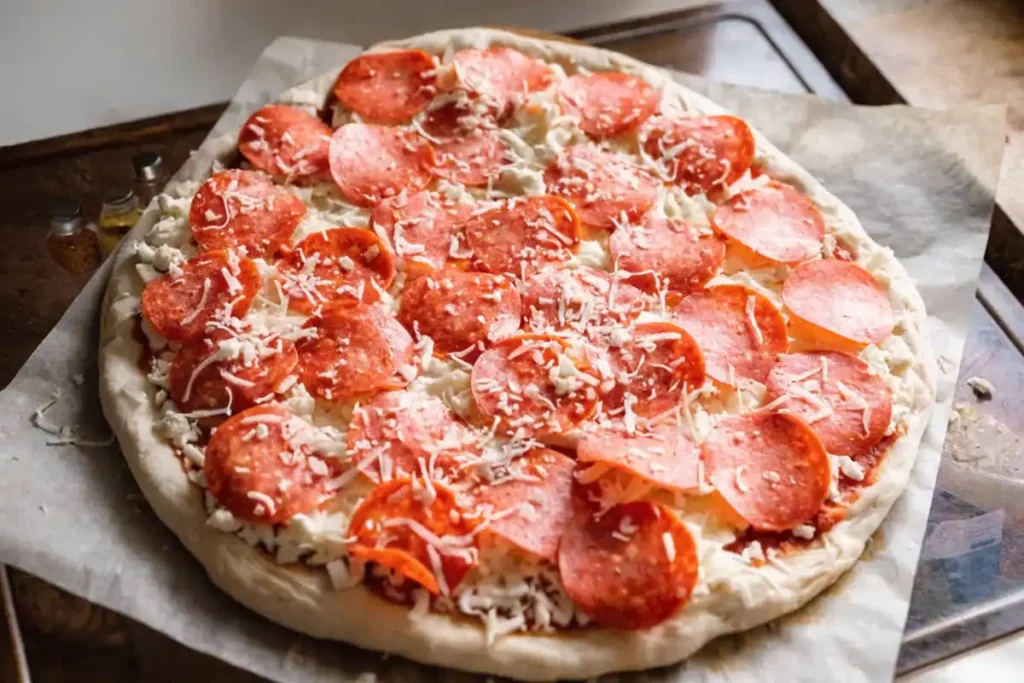
Follow these clear steps to build a crisp, cheesy homemade pizza with great texture and flavor. The amounts below make one 12 inch pizza.
- Heat the oven and pizza stone
Place a pizza stone on the lower third rack of your oven. If you do not have a stone, place a rimmed baking sheet or pizza pan in the oven instead. Heat the oven to 550°F, or the highest temperature your oven allows, at least 475°F. Let the stone heat for 30 minutes even if the oven signals that it is ready. The extra time lets the stone store heat, which helps cook the crust properly. - Prepare the work surface
Lightly coat your counter with a small amount of olive oil. This keeps the dough from sticking and helps prevent adding too much flour, which can make the crust tough. If the dough feels very sticky, dust the surface lightly with flour. - Shape the dough
Place the dough ball in the center of the surface. Press down with your fingers starting from the middle and gently push the dough outward. Continue pressing and stretching until the dough widens. Rotate it often to keep a round shape. Use your fingers to form a slightly thicker edge for the crust. - Stretch to the final size
Keep patting and stretching the dough until it reaches about 12 inches across. Take your time so the dough stretches evenly without tearing. - Move the dough to parchment paper
Place the shaped dough onto a square of parchment paper. This makes it much easier to move the pizza into the oven later. Adjust the dough so it keeps its 12 inch shape. - Brush with olive oil
Drizzle about 1 tablespoon olive oil across the dough. Spread it with your hands or a pastry brush. Cover the center and the edges. This thin oil layer helps stop sauce moisture from soaking into the crust. - Optional rest for a thicker crust
If you prefer a thicker crust, let the stretched dough sit for 10 minutes. The dough will relax and puff slightly. If you want a thinner crust, you can skip this rest. - Par bake the crust
Once the oven and stone are fully heated, slide the dough with the parchment paper onto a pizza peel or flat baking sheet. Open the oven and slide the dough onto the hot stone. Bake the plain dough for 1 to 2 minutes. The crust should puff slightly. This short bake helps create a crisp base. - Return the crust to the work surface
Pull the parchment paper carefully to bring the crust back onto the peel or baking sheet. Press down any large air bubbles with your fingers. - Add the sauce
Spread 1 cup pizza sauce across the crust using the back of a spoon or ladle. Leave a small border around the edge so the crust can brown nicely. - Add the cheese layer
Place 3 ounces thin sliced mozzarella across the sauce. Then sprinkle 5 ounces shredded mozzarella evenly over the pizza. - Add toppings
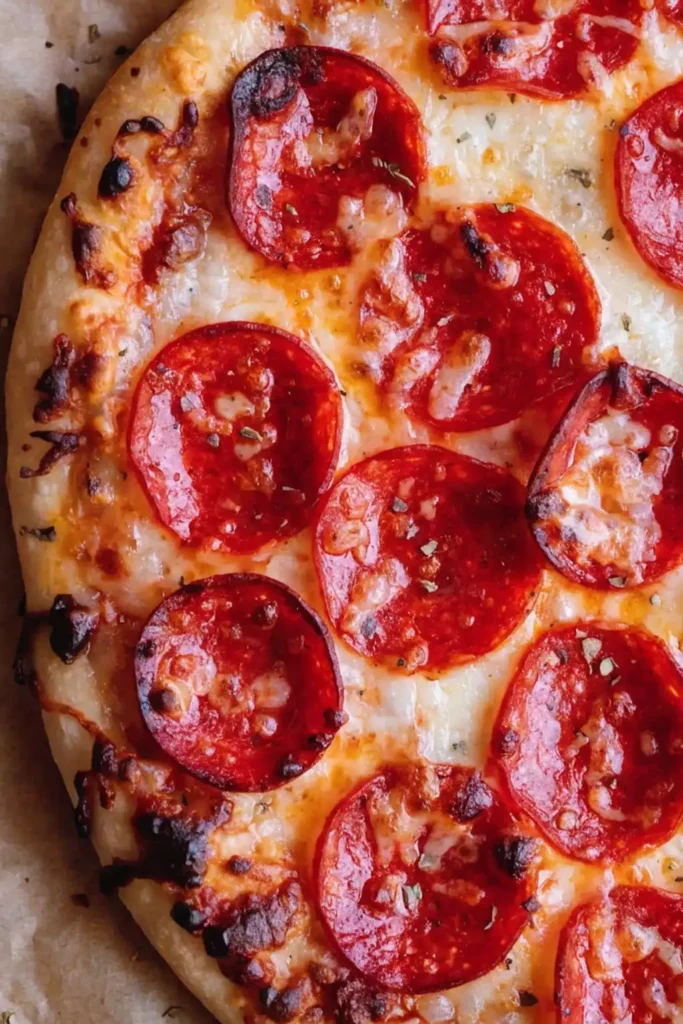
Place pepperoni slices across the cheese. Spread them evenly so every slice of pizza gets flavor. - Finish with parmesan
Sprinkle 2 tablespoons shredded parmesan cheese over the top. This adds extra flavor and helps the surface brown. - Bake the pizza
Slide the pizza onto the hot stone again, this time without the parchment paper. Bake for 8 to 12 minutes. The crust edges should turn golden and the cheese should bubble and lightly brown. - Check the bottom crust
If you are using a pan instead of a stone, lift the edge with a spatula and check the bottom. It should be browned across the center. If the bottom is pale, bake a few more minutes. - Adjust browning if needed
If the top browns too quickly but the crust still needs time, place a loose piece of foil over the pizza to slow the browning. - Cool and slice
Remove the pizza from the oven and place it on a cooling rack for a minute or two. This keeps the crust crisp. Move it to a cutting board, slice into 8 pieces, and serve warm.
Expert Troubleshooting
Why is my pizza soggy on the bottom?
A soggy crust often comes from low oven heat or too many toppings. Pizza needs strong heat to cook the dough quickly. Always heat the oven as high as it can go and allow the pizza stone to heat for about 30 minutes. This stored heat helps cook the bottom crust fast. Also avoid adding too much sauce or heavy toppings, since excess moisture can soak into the dough before it finishes baking.
Can I make this without a pizza stone?
Yes, you can still make good homemade pizza without a stone. Place a rimmed baking sheet or pizza pan in the oven while it heats. Let it warm up fully so it becomes very hot. When the dough is ready, carefully place the pizza onto the hot surface. Some cooks also sprinkle a small amount of cornmeal on the pan so the crust does not stick and gains a light crunch.
What is the best temperature for pizza?
Pizza cooks best at very high heat. Set your oven to the highest temperature available, usually between 475°F and 550°F. High heat helps the crust puff, brown, and cook through before the toppings dry out. Lower temperatures often lead to pale crust and soft texture, so hotter ovens produce much better results.
Serving and Storage Tips
Serving Suggestions
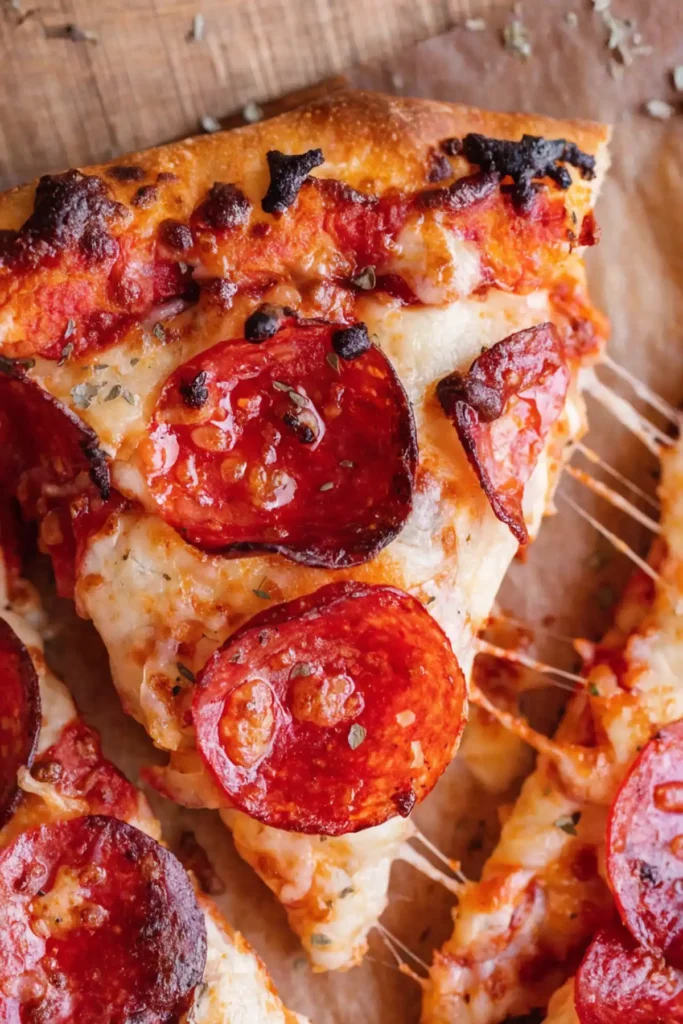
Homemade pizza tastes best when served hot and fresh from the oven. After baking, let the pizza rest for about 2 minutes so the cheese sets slightly and the slices hold together better.
For a simple presentation, cut the pizza into 8 slices and serve on a wooden board or large plate. A light sprinkle of extra parmesan cheese or a few fresh basil leaves can add extra flavor and color. You can also serve the pizza with a small bowl of warm pizza sauce on the side for dipping.
Homemade pizza pairs well with a crisp green salad, roasted vegetables, or garlic bread. These sides balance the richness of the cheese and make the meal feel complete.
Storage Tips
If you have leftover pizza, allow it to cool fully before storing. Place slices in an airtight container or wrap them tightly with foil. Store in the refrigerator for up to 3 days.
Reheating Tips
To keep the crust crisp when reheating, use one of these methods:
- Air fryer method: Heat at 350°F for 3 to 5 minutes until the cheese melts and the crust becomes warm and crisp.
- Oven method: Place slices on a baking sheet and heat at 375°F for about 8 minutes.
- Skillet method: Warm the pizza in a pan over medium heat. Cover the pan for a minute so the cheese melts while the crust reheats.
These methods help keep the crust firm instead of soft or rubbery.
Helpful Notes
- Use good quality pizza dough
Fresh dough gives the best texture. If the dough feels tight while stretching, let it rest for about 5 minutes. This short rest relaxes the gluten and makes shaping much easier. - Do not overload the pizza with toppings
Too many toppings add moisture and weight. This can lead to a soft or undercooked crust. A balanced layer of sauce, cheese, and toppings helps the pizza cook evenly. - Shred cheese yourself if possible
Freshly shredded mozzarella melts more smoothly than many pre shredded options. It also helps prevent clumping on the pizza surface. - Rotate the pizza if your oven heats unevenly
Some ovens have hot spots. If you notice one side browning faster, rotate the pizza halfway through baking to help it cook evenly. - Try simple flavor additions
A small pinch of garlic powder, dried basil, or Italian seasoning sprinkled over the sauce can add extra flavor without changing the basic recipe. - Let the pizza rest briefly before cutting
Allow the pizza to sit for a couple of minutes after baking. This helps the cheese settle and keeps the slices from sliding apart when you cut them.
Conclusion
This homemade pizza recipe gives you a simple way to create a crisp crust, rich cheese melt, and bold flavor right in your own kitchen. With a very hot oven, a well shaped dough, and balanced toppings, you can produce a pizza that tastes fresh and satisfying every time. The short par bake step and the olive oil layer help the crust cook evenly and stay crisp.
Once you try this method, homemade pizza can easily become part of your weekly meal plan. It works well for family dinners, casual gatherings, or a relaxed weekend meal.
If you made this pizza, share your experience in the comments and leave a star rating to help other readers. You can also share the recipe with friends on Pinterest or Facebook.
What toppings did you try on your homemade pizza? Let us know below.
YOU MIGHT ALSO LIKE…
Homemade Pizza

Ingredients
Pizza Base
- 1 ball pizza dough about 12–16 oz fresh dough
- 1 tbsp olive oil for coating the dough
Sauce and Cheese
- 1 cup pizza sauce smooth tomato based sauce
- 3 oz mozzarella cheese thin sliced
- 5 oz mozzarella cheese shredded
- 2 tbsp parmesan cheese shredded
Toppings
- 2.5 oz turkey pepperoni slices use turkey or beef pepperoni instead of pork
Instructions
- Place a pizza stone on the lower oven rack and heat the oven to 550°F (or the highest temperature available). Allow the stone to heat for at least 30 minutes.
- Lightly coat your work surface with a small amount of olive oil to prevent sticking.
- Place the dough ball on the surface and press from the center outward with your fingers, gradually stretching the dough into a round shape.
- Continue stretching until the dough reaches about 12 inches across and create a slightly thicker edge for the crust.
- Transfer the shaped dough onto parchment paper and adjust it to keep the round shape.
- Brush 1 tablespoon olive oil across the dough, covering both the center and edges.
- Optional: Let the dough rest for 10 minutes if you prefer a thicker crust.
- Slide the dough with parchment onto the hot pizza stone and bake for 1–2 minutes to par-bake the crust.
- Remove the crust and press down any large air bubbles.
- Spread the pizza sauce evenly across the crust, leaving a small border around the edge.
- Layer the thin sliced mozzarella over the sauce, then sprinkle the shredded mozzarella evenly across the pizza.
- Add turkey pepperoni slices or your preferred toppings across the cheese.
- Sprinkle shredded parmesan cheese over the top.
- Slide the pizza back onto the hot stone without parchment paper and bake for 8–12 minutes until the crust is golden and the cheese is bubbling.
- Remove from the oven and cool for 1–2 minutes on a rack before slicing into 8 pieces and serving warm.
Notes
Nutrition Facts (Per Serving)
| Nutrient | Amount |
| Calories | 315 kcal |
| Carbohydrates | 5 g |
| Protein | 18 g |
| Fat | 25 g |
| Saturated Fat | 11 g |
| Polyunsaturated Fat | 1 g |
| Monounsaturated Fat | 10 g |
| Trans Fat | 1 g |
| Cholesterol | 66 mg |
| Potassium | 298 mg |
| Fiber | 1 g |
| Sugar | 3 g |
| Vitamin A | 670 IU |
| Vitamin C | 4 mg |
| Calcium | 326 mg |
| Iron | 1 mg |
FAQs
How do I get a crispy crust at home?
A crispy crust comes from strong heat and a hot baking surface. Heat your oven to the highest temperature it allows, usually between 475°F and 550°F. Let the pizza stone heat for about 30 minutes before baking. The stored heat cooks the bottom of the dough quickly and helps the crust turn golden and firm.
Do you cook pizza dough before adding toppings?
Yes, a short pre bake helps the crust cook better. Baking the dough alone for about 1 to 2 minutes allows it to puff slightly and form structure. After that, you can add sauce, cheese, and toppings. This step helps prevent a soft or doughy center.
What cheese is best for homemade pizza?
Mozzarella is the most popular cheese for homemade pizza. Low moisture mozzarella melts evenly and creates the classic stretch many people enjoy. Some cooks also mix in parmesan for extra flavor or add small pieces of fresh mozzarella for a creamy texture.
Is it better to bake pizza on a pan or stone?
A pizza stone usually gives better results because it stores heat and helps the crust cook evenly. The stone also draws moisture away from the dough, which leads to a crisp base. A hot baking sheet or pizza pan can still work well if a stone is not available.
What flour is best for pizza dough?
Bread flour is often preferred because it contains more protein. This creates stronger gluten, which leads to a chewy and structured crust. All purpose flour can also work and produces a softer crust that many home cooks still enjoy.
What are common pizza making mistakes?
Common mistakes include using an oven that is not hot enough, adding too many toppings, or skipping the preheat time for the pizza stone. Another mistake is stretching the dough too quickly. Taking time to shape the dough and using balanced toppings helps produce a much better homemade pizza.