

Store-bought cranberry sauce just doesn’t measure up. It often tastes flat or overly sweet, lacking the rich, tangy depth that fresh cranberries deliver. When you make it from scratch, the difference is immediate.
The real game-changer is the mix of white and brown sugar. This blend creates a sweet-tart balance with a hint of caramel that’s missing from the canned kind. It adds layers of flavor in just one simple step.
Table of Contents
Why You’ll Love This Recipe
- Ready in just 15 minutes, making it perfect for busy holiday prep
- Uses simple ingredients you probably already have on hand
- A perfect side dish for Thanksgiving, Christmas, or any roast dinner
- Bursting with bold flavor and just the right amount of sweetness
- Impresses guests without requiring chef-level skills
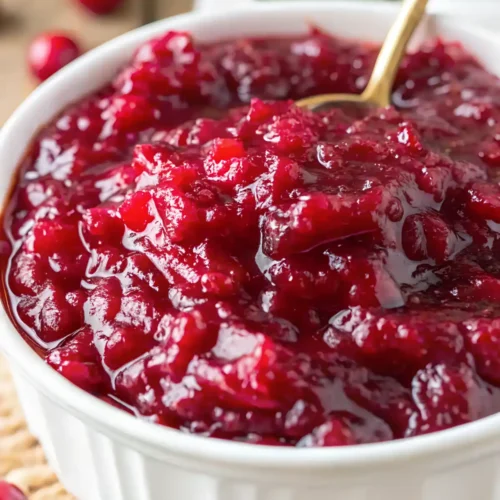
- Balanced texture that’s not too thick or runny
What makes this cranberry sauce stand out is the way it brings everything together with minimal effort. The combo of white and brown sugar adds warmth and depth without overpowering the natural tartness.
Ingredients Needed

For the base
- ⅔ cup granulated sugar
- ⅓ cup packed light brown sugar
For the liquid
- ⅓ cup water
- ⅔ cup orange juice, preferably fresh for best flavor
For the fruit
- 12 ounces fresh cranberries, rinsed and sorted to remove any soft or discolored ones
These basic ingredients create the perfect balance of tart and sweet. The orange juice adds brightness, while the mix of sugars gives the sauce depth and a hint of richness. Fresh cranberries are ideal, but frozen can be used in a pinch without thawing.
How to Make Cranberry Sauce from Scratch

1. Combine the base ingredients
Pour the granulated sugar, brown sugar, water, and orange juice into a medium saucepan. Stir everything together over medium heat until the sugar is fully dissolved. This should take just a few minutes and sets the foundation for a well-balanced sauce.
2. Bring it to a boil
Once the sugars are dissolved, increase the heat slightly and let the mixture come to a gentle boil. This helps blend the flavors and starts to reduce the liquid a bit.
3. Add the cranberries
Carefully add the cranberries to the hot liquid. Return the mixture to a boil, then reduce the heat to a steady simmer. You’ll start to hear the berries pop as they cook.
4. Simmer and stir
Let the sauce simmer for ten to fifteen minutes, stirring every couple of minutes. Most of the berries should burst open, and the sauce will begin to thicken. Watch out for splatter during this step. If you like a chunkier sauce, stop cooking once about three-fourths of the berries have popped.
5. Cool the sauce
Remove the saucepan from the heat and transfer the mixture into a bowl. Let it cool at room temperature for at least twenty minutes. The sauce will look thin at first, but it thickens as it cools.
6. Chill before serving
Cover the bowl and place it in the refrigerator for at least two hours. This resting time lets the flavors meld and gives the sauce the perfect texture for serving.

Pro-Tips for Perfection
Watch the simmer time
Cooking the sauce too long might seem like a good way to make it thicker, but it can actually have the opposite effect. Cranberries are naturally rich in pectin, which helps the sauce set. If you overcook them, the pectin breaks down and the sauce can end up too runny.
Let it cool completely
The sauce may look too thin when it’s hot, but don’t worry. As it cools, it thickens significantly. This is completely normal and one of the most common misunderstandings when making cranberry sauce.
Choose the right pan
Always use stainless steel or enameled cast iron. Avoid aluminum because it reacts with the acid in cranberries and orange juice. This can give your sauce a sharp or metallic flavor that ruins the taste.
Serving and Pairing Ideas
Perfect with classic holiday mains
This cranberry sauce pairs beautifully with roast turkey, glazed ham. Its sweet-tart flavor cuts through the richness of these dishes, adding balance to every bite.
Leftover upgrades
Spread it on a turkey sandwich or panini for a flavor boost. It also works great in a grilled cheese with brie or sharp cheddar. Stir it into oatmeal for a bright and fruity breakfast twist.
Dessert magic
Warm up a spoonful and drizzle it over vanilla ice cream or a slice of cheesecake. The contrast between the cold dessert and warm cranberry topping makes every bite special.
Storage Tips
Storing leftovers
Keep any leftover cranberry sauce in an airtight container in the refrigerator. It stays fresh for up to ten days and may even taste better after a day or two as the flavors continue to develop.
Freezing for later
You can freeze the sauce in a sealed container for up to two months. When you’re ready to use it, let it thaw in the fridge overnight. Give it a quick stir before serving to restore its smooth texture.
Reheating suggestions
If you prefer your cranberry sauce warm, heat it gently on the stove over low heat or in short bursts in the microwave. Stir occasionally to prevent it from sticking or overheating.
Conclusion
This homemade cranberry sauce is simple, quick, and full of flavor. With just a few ingredients and fifteen minutes, you get a side dish that’s fresh, vibrant, and far better than anything from a can.
The mix of white and brown sugar gives it a depth that surprises people every time. It’s reliable, it holds its shape beautifully, and it fits right into any holiday spread.
If you try this recipe, leave a comment and a star rating below. We’d love to hear how it turned out. Did you add a twist or stick to the basics? Share your version on Pinterest or Facebook so others can see what worked for you.
You Might Also Like These Recipes for Pairing…
Cranberry Sauce

Ingredients
Base
- 0.67 cup granulated sugar
- 0.33 cup light brown sugar, packed
Liquid
- 0.33 cup water
- 0.67 cup orange juice preferably fresh for best flavor
Fruit
- 12 oz fresh cranberries rinsed and sorted to remove any soft or discolored ones
Instructions
- Pour the granulated sugar, brown sugar, water, and orange juice into a medium saucepan. Stir over medium heat until the sugar is fully dissolved.
- Increase the heat and bring the mixture to a gentle boil to blend the flavors and reduce the liquid slightly.
- Add the cranberries to the boiling liquid carefully. Return to a boil, then reduce to a steady simmer.
- Let the sauce simmer for 10–15 minutes, stirring every couple of minutes. Most cranberries should burst open and the sauce will begin to thicken.
- Remove the saucepan from the heat and transfer the sauce into a bowl. Let it cool at room temperature for at least 20 minutes.
- Cover and refrigerate for at least 2 hours before serving to let the flavors meld and sauce thicken fully.
Notes
Nutrition Facts (Per Serving)
- Calories: 159 kcal
- Carbohydrates: 42 g
- Sugar: 37 g
- Fiber: 3 g
- Fat: 0 g
- Protein: 0 g
- Sodium: 2 mg
- Potassium: 104 mg
- Vitamin A: 500 IU
- Vitamin C: 29.7 mg
- Calcium: 10 mg
- Iron: 0.2 mg
FAQs
How to make your own cranberry sauce?
Start by simmering sugar, water, and orange juice in a saucepan until the sugar dissolves. Add fresh cranberries and cook until most have burst and the mixture thickens. Let it cool, then refrigerate until ready to serve.
What does cranberry sauce go with?
It pairs best with roast turkey, ham, or pork. You can also use it in sandwiches, as a topping for cheese, or even stirred into yogurt or oatmeal.
What are some common mistakes when making cranberry sauce?
Overcooking is a big one. It breaks down the natural pectin and makes the sauce too thin. Another mistake is using aluminum pans, which react with the acidic ingredients and give the sauce a metallic taste.
What is cranberry sauce made of?
The basic recipe includes cranberries, sugar, and a liquid like water or orange juice. Some variations add spices or zest for extra flavor.
How is cranberry sauce supposed to be served?
You can serve it cold, straight from the fridge, or let it come to room temperature. Some people even prefer it slightly warm, especially when using it as a topping.
Is cranberry sauce like jam?
It’s similar in that it’s fruit-based and sweet, but cranberry sauce usually has a looser texture and more tartness than jam. It’s made to complement savory dishes, not just spread on toast.