

Dry. Crumbly. Bland. That’s how too many homemade scones turn out — more like dusty biscuits than anything you’d find in a bakery.
This recipe changes that. It delivers golden, crisp edges with a soft, buttery middle and tender, flaky layers. Whether you’re a first-timer or a seasoned baker, you’ll get consistent results every time.
The best part? You can use this one master formula for sweet, savory, and seasonal scones. One dough. Endless variations. All reliable.
Table of Contents
The Science of Scones: 3 Non-Negotiable Rules
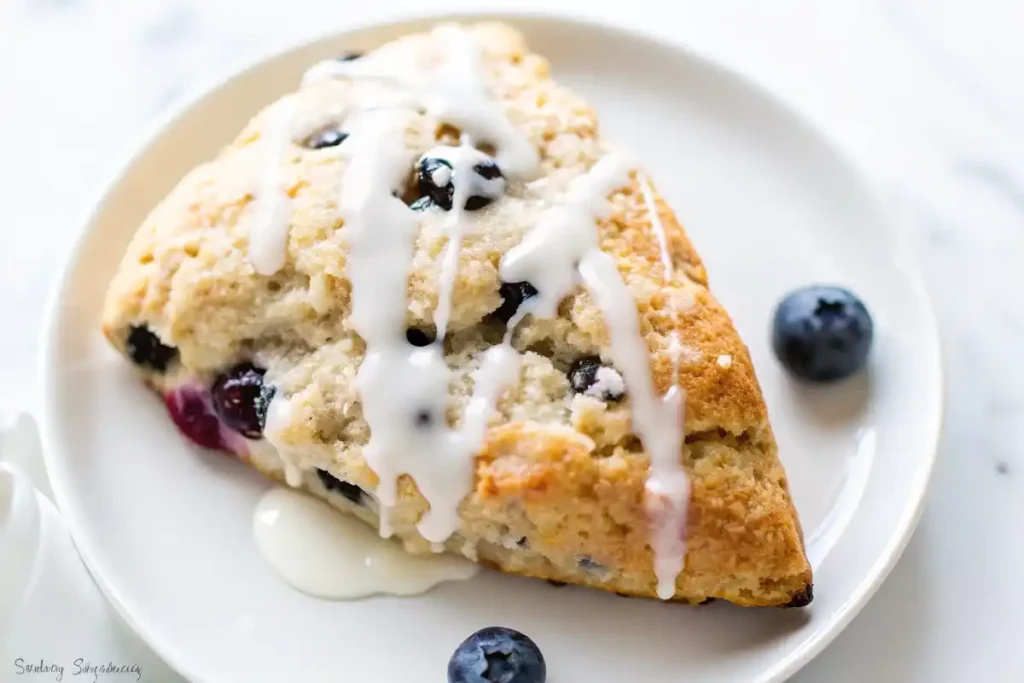
Rule 1: The Liquid Choice
Heavy cream or buttermilk isn’t optional. Both add richness and moisture that milk alone can’t match. Buttermilk gives a slight tang and helps the scones rise higher. If you need a dairy-free option, full-fat canned coconut milk is the only substitute that still delivers a tender crumb.
Rule 2: Frozen Grated Butter
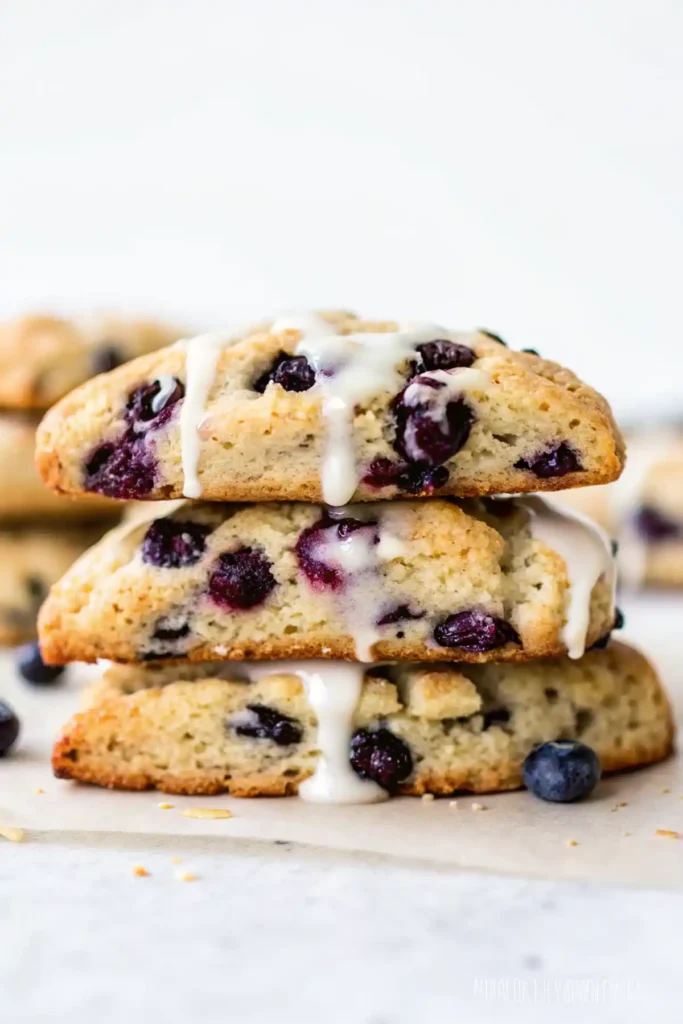
This trick changes everything. Using a box grater, frozen butter breaks into tiny shards that stay cold and firm. When the dough hits the oven, those cold bits instantly melt and release steam. That steam lifts the dough and creates flaky layers inside a crisp shell.
Rule 3: The Cold Chain
Keep everything cold until the tray goes in the oven. Warm dough causes the butter to melt too early, which ruins the texture. Flat, greasy scones are usually the result of skipping this step. Chill your dough before baking, and you’ll get tall, layered scones every time.
Ingredients Needed
For the Dough Base
- 2 cups or 250 grams of all-purpose flour, spooned and leveled
- Half a cup or 100 grams of granulated sugar
- Half a teaspoon of salt
- Two and a half teaspoons of baking powder
For the Fat and Moisture
- Half a cup or 113 grams of unsalted butter, frozen solid
- Half a cup or 120 milliliters of heavy cream or buttermilk, plus 2 tablespoons for brushing
- 1 large egg, room temperature
- One and a half teaspoons of pure vanilla extract
For Customization
- One to one and a half cups of add-ins such as chocolate chips, fresh berries, chopped nuts, or dried fruit
- Optional topping: coarse sugar for a golden, crunchy finish on top
How to Make Scones
- Mix the dry ingredients
In a large mixing bowl, whisk together the flour, sugar, salt, and baking powder until well combined. - Grate and cut in the butter
Using a box grater, grate the frozen butter directly into the bowl of dry ingredients. Toss gently to coat the butter in flour. Use a pastry cutter, two forks, or your fingertips to blend the mixture until it forms coarse crumbs about the size of small peas. Place the bowl in the fridge or freezer while you prepare the wet ingredients. - Combine the wet ingredients
In a smaller bowl, whisk together the heavy cream or buttermilk, the egg, and the vanilla extract until smooth. - Bring the dough together
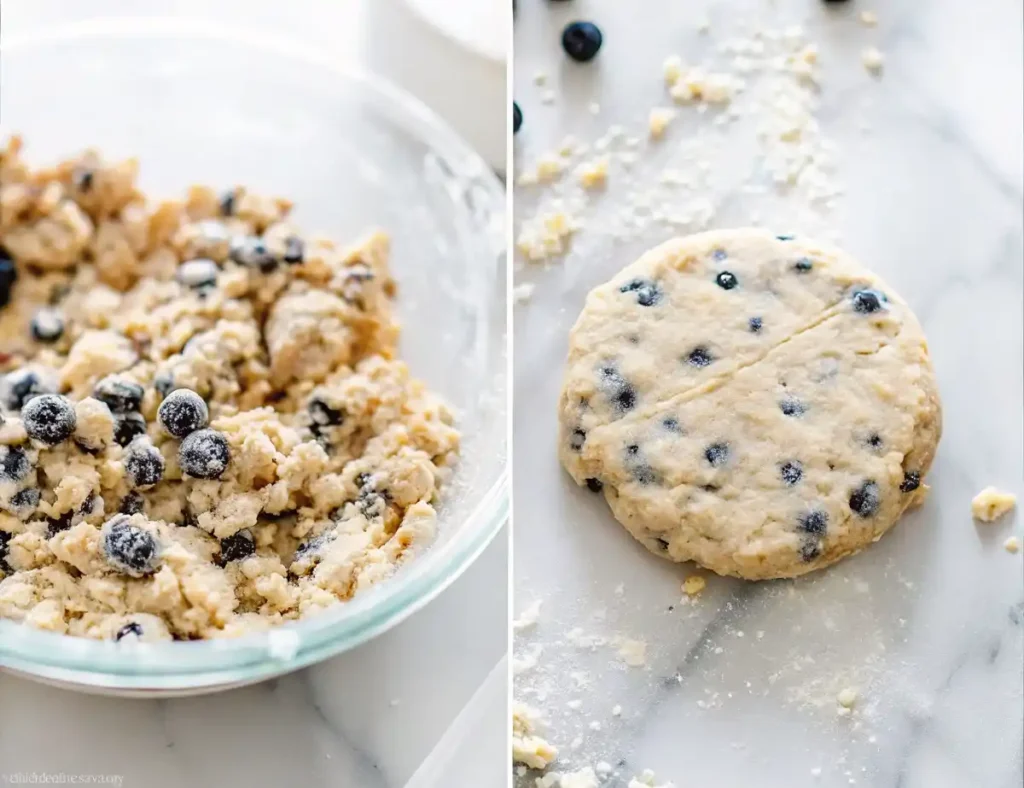
Drizzle the wet mixture over the chilled dry mixture. Add your chosen add-ins. Gently fold everything together using a spatula or your hands until the dough looks evenly moistened and starts to come together. Avoid over-mixing. - Shape the dough
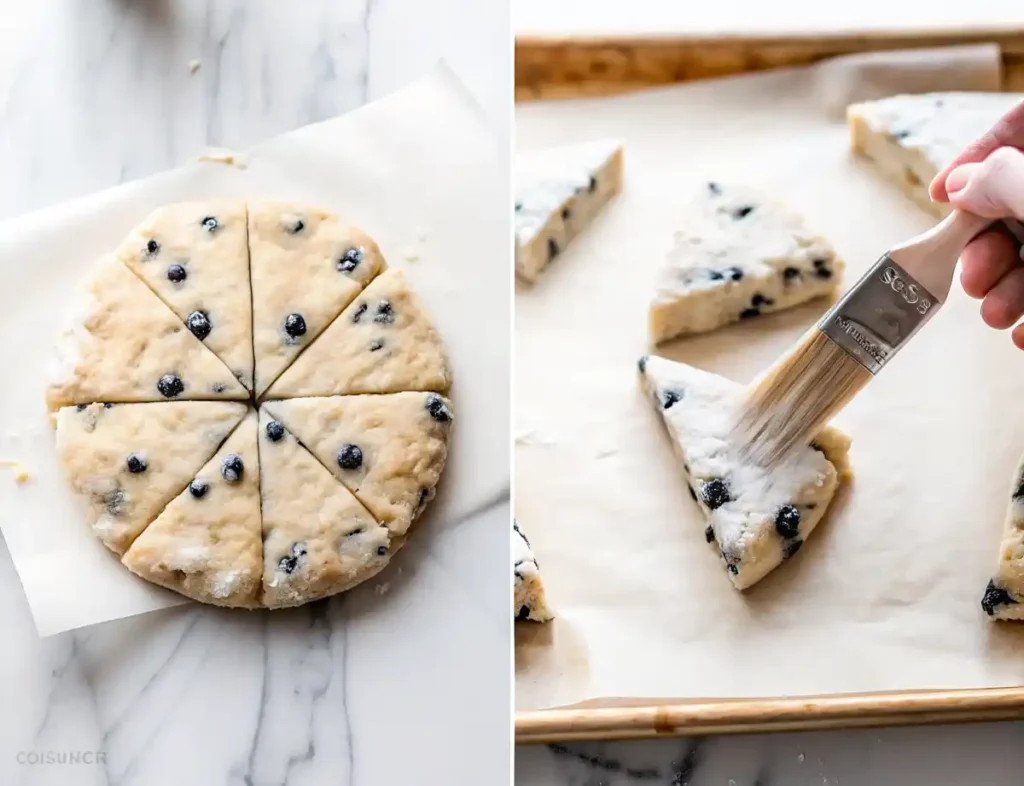
Turn the dough out onto a floured surface. With floured hands, gather it into a rough ball. The dough should feel sticky but manageable. If it’s too sticky, lightly dust it with more flour. If it seems dry, add an extra spoon or two of cream. Press it into an 8-inch circle and cut into 8 wedges using a sharp knife or bench scraper. For smaller scones, divide into two 5-inch discs and cut each into 8 wedges. - Optional: Make drop scones
Instead of shaping and cutting, you can scoop the dough straight from the bowl. Drop about a quarter cup of dough per scone onto a lined baking sheet, spacing them 3 inches apart. - Brush and chill
Brush the tops with the remaining cream for browning. Sprinkle with coarse sugar if you like a crunchy finish. Place the shaped scones on a plate or lined tray and chill them in the fridge for at least 15 minutes. This helps them keep their shape in the oven. - Preheat the oven
While the scones chill, preheat your oven to 400 degrees Fahrenheit or 204 degrees Celsius. - Bake the scones
Line a baking sheet with parchment paper or a silicone mat. Arrange the chilled scones 2 to 3 inches apart. Bake for 18 to 26 minutes, depending on size, until the tops are lightly golden and the edges are crisp. Larger scones may need up to 25 minutes. - Cool and enjoy
Let the scones cool for a few minutes before serving. You can add toppings like glaze or jam while they are still slightly warm. - Storage tip
Keep leftover scones at room temperature in an airtight container for up to 2 days or refrigerate for up to 5 days.

Critical Troubleshooting: Why Scones Spread or Fail
The Twisting Error
If you’re using a round cutter, never twist it while cutting. Twisting seals the edges and stops the scones from rising properly. Press straight down and lift up cleanly for tall, even results.
Humidity and Flour
On humid days, your dough may feel stickier than usual. Extra moisture in the air can throw off your flour balance. Add one to two tablespoons of extra flour if the dough feels too wet to handle comfortably.
The 15-Minute Rule
Always chill shaped scones in the fridge for at least 15 minutes before baking. This step keeps the butter firm so it doesn’t melt too early. Cold dough holds its shape better and rises taller with more defined layers. Skipping this step often leads to flat, spread-out scones.
Storage and Make-Ahead Instructions
Make the Night Before
Prepare the dough, shape the scones, and place them on a lined tray. Cover tightly with plastic wrap or a lid and refrigerate overnight. In the morning, bake straight from the fridge.
Freezing Unbaked Scones
After shaping, place the scones on a tray and freeze them for one hour. Once firm, transfer them to a freezer-safe bag or container. When ready to bake, place them directly in a preheated oven and add a few extra minutes to the baking time.
Freezing Baked Scones
Let the baked scones cool completely. Place them in airtight freezer bags and store for up to three months. To bring back the crisp texture, reheat in a 300 degree Fahrenheit oven for about 10 minutes.
15+ Flavor Variation Gallery
Sweet Combinations
- Lemon Blueberry: Add fresh or frozen blueberries and a bit of lemon zest to the dough. Top with a light lemon glaze.
- Pumpkin Spice: Mix in canned pumpkin and warm spices like cinnamon and nutmeg. Drizzle with maple glaze.
- Chocolate Chip: Fold in semi-sweet or dark chocolate chips for a bakery-style treat.
- Cranberry Orange: Use dried cranberries and orange zest for a tangy twist.
- Strawberries and Cream: Add chopped fresh strawberries and a splash of almond extract.
Savory Options
- Ham and Cheese: Add finely chopped cooked ham and shredded sharp cheddar.
- Herb and Garlic: Use chopped fresh herbs like rosemary or chives and a pinch of garlic powder.
- Bacon Cheddar Chive: Combine crispy bacon bits, shredded cheddar, and chopped chives.
High-Value Toppings
- Vanilla Icing: Mix powdered sugar with milk and vanilla extract for a simple glaze.
- Salted Caramel Drizzle: Use store-bought or homemade caramel with a pinch of sea salt.
- Lemon Curd: Spoon a bit on warm scones for a fresh, tart finish.
Conclusion
This scone recipe works. You get crisp edges, flaky layers, and a soft center without the dry or crumbly texture that ruins most homemade versions. The method is simple enough for beginners but flexible enough for creative flavor twists.
Whether you lean sweet or savory, this master formula gives you a reliable base for endless variations. Use the tips, stay cold, and don’t skip the chill time.
If you tried this recipe, leave a star rating and comment below. We’d love to hear what add-ins or flavors you used.
Snap a photo and share it on Pinterest or Facebook so others can see your creation.
What’s your favorite scone combo? Drop your answer in the comments.
You Might Also Like…

How to Make Perfect Scones

Ingredients
Dough Base
- 2 cups all-purpose flour spooned and leveled
- 0.5 cup granulated sugar
- 0.5 tsp salt
- 2.5 tsp baking powder
Fat and Moisture
- 0.5 cup unsalted butter frozen solid
- 0.5 cup heavy cream or buttermilk plus 2 tablespoons for brushing
- 1 large egg room temperature
- 1.5 tsp pure vanilla extract
Customization
- 1–1.5 cups add-ins such as chocolate chips, berries, nuts, or dried fruit
- to taste coarse sugar for optional topping
Instructions
- In a large mixing bowl, whisk together the flour, sugar, salt, and baking powder until well combined.
- Using a box grater, grate the frozen butter into the dry ingredients. Toss to coat, then cut in using forks or a pastry cutter until crumbly. Chill mixture.
- In a separate bowl, whisk together the cream or buttermilk, egg, and vanilla until smooth.
- Pour wet mixture over chilled dry mixture. Add chosen add-ins and gently fold to combine until just moistened.
- Turn dough onto a floured surface. Shape into an 8-inch circle and cut into 8 wedges, or two 5-inch discs for smaller scones.
- Alternatively, scoop dough directly onto a lined baking sheet using ¼ cup per scone for drop scones.
- Brush tops with remaining cream and sprinkle with coarse sugar. Chill shaped scones for 15 minutes.
- Preheat oven to 400°F (204°C) while scones chill.
- Line a baking sheet with parchment. Bake scones for 18–26 minutes until golden and crisp on edges.
- Let cool slightly before serving. Add optional toppings like glaze or jam if desired.
Notes
Nutrition Facts (Per Serving)
- Calories: 310
- Total Fat: 15g
- Saturated Fat: 9g
- Cholesterol: 65mg
- Sodium: 290mg
- Total Carbohydrates: 38g
- Dietary Fiber: 1g
- Sugars: 10g
- Protein: 5g
FAQ
What is the difference between a British and American scone?
British scones are usually less sweet, often served with clotted cream and jam. They are also more compact and crumbly. American scones tend to be sweeter, larger, and often filled with mix-ins like chocolate chips or fruit. The texture is richer due to the use of more butter and cream.
What is the secret to making fluffy, tall scones?
Cold ingredients and minimal handling are key. Grated frozen butter, chilled dough, and a light touch when mixing all help the scones rise high. Also, pressing the dough into a uniform shape and avoiding overworking keeps the texture tender and airy.
What is the 15-minute rule for scones?
After shaping the scones, chill them in the fridge for at least 15 minutes before baking. This step helps the butter stay cold, so it melts in the oven instead of during prep. The result is better lift, defined edges, and a flakier texture.
What is the best butter to use for scones, and how should it be prepared?
Use unsalted butter so you control the salt level in the recipe. Freeze it solid, then grate it directly into the flour. This creates small, even bits of butter that melt fast in the oven and release steam for lift and flakiness.
What are common scone baking mistakes to avoid?
Twisting the cutter when shaping, using warm or soft butter, overmixing the dough, and skipping the chill time before baking are all common errors. Each can lead to flat, tough, or greasy scones.
How long do homemade scones last, and how should they be stored?
Keep baked scones in an airtight container at room temperature for up to two days. For longer storage, refrigerate for up to five days or freeze them. Reheat in a 300 degree Fahrenheit oven to refresh the texture.