
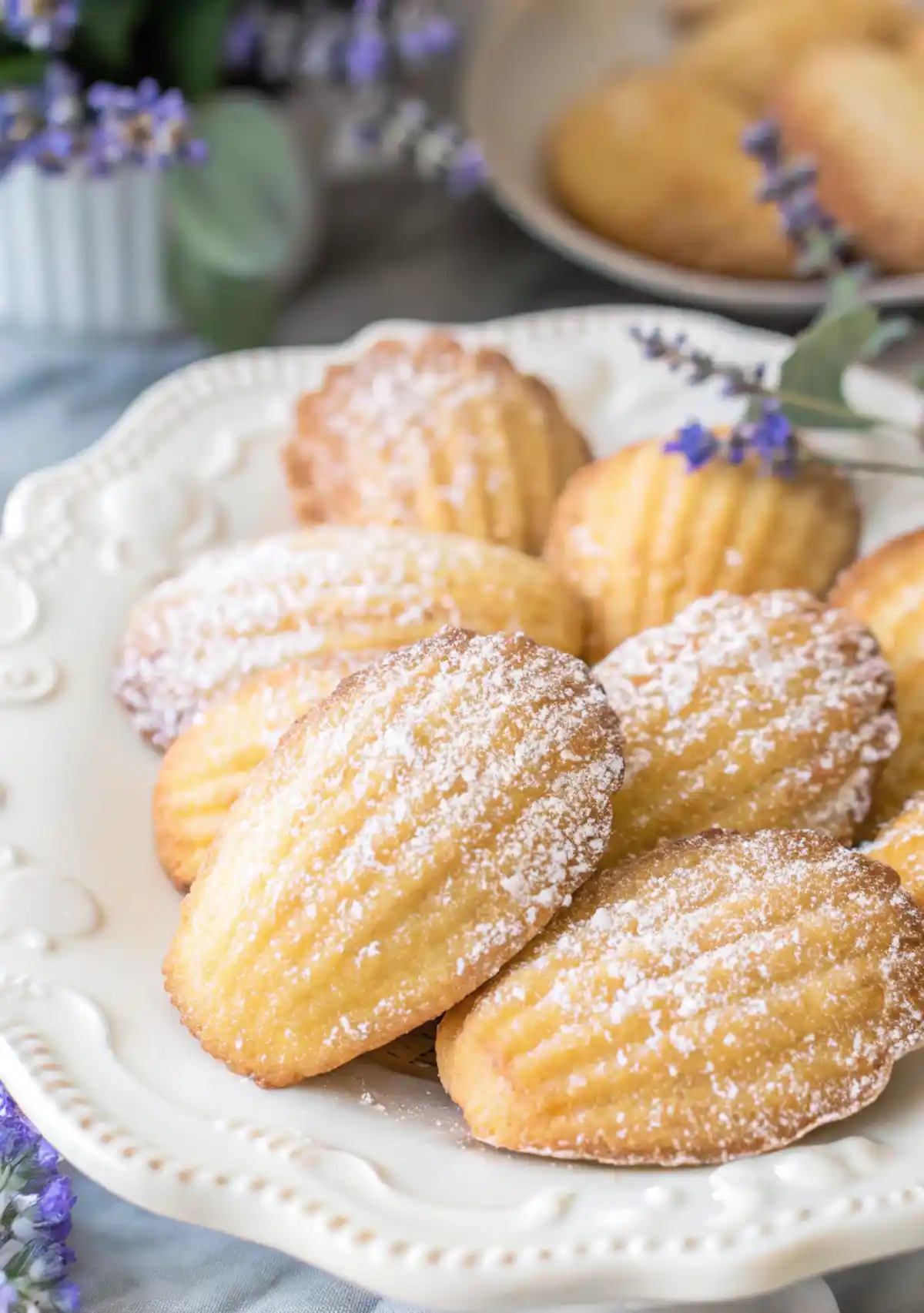
Fresh madeleines feel light, soft, and tender inside with a crisp, buttery shell on the outside. Their small shape and the signature hump make them stand out from other shell shaped cakes. This French madeleines recipe gives you a reliable way to get that melt in your mouth crumb every time. I first learned to make them during a short stay in Paris, and the simple mix of warm butter, citrus, and soft batter instantly hooked me. This guide shows you how to get the same result in your own kitchen
Table of Contents
Why You Will Love This Recipe
- Quick prep and a short bake give you warm cakes fast.
- Simple pantry items make this easy for any day of the week.
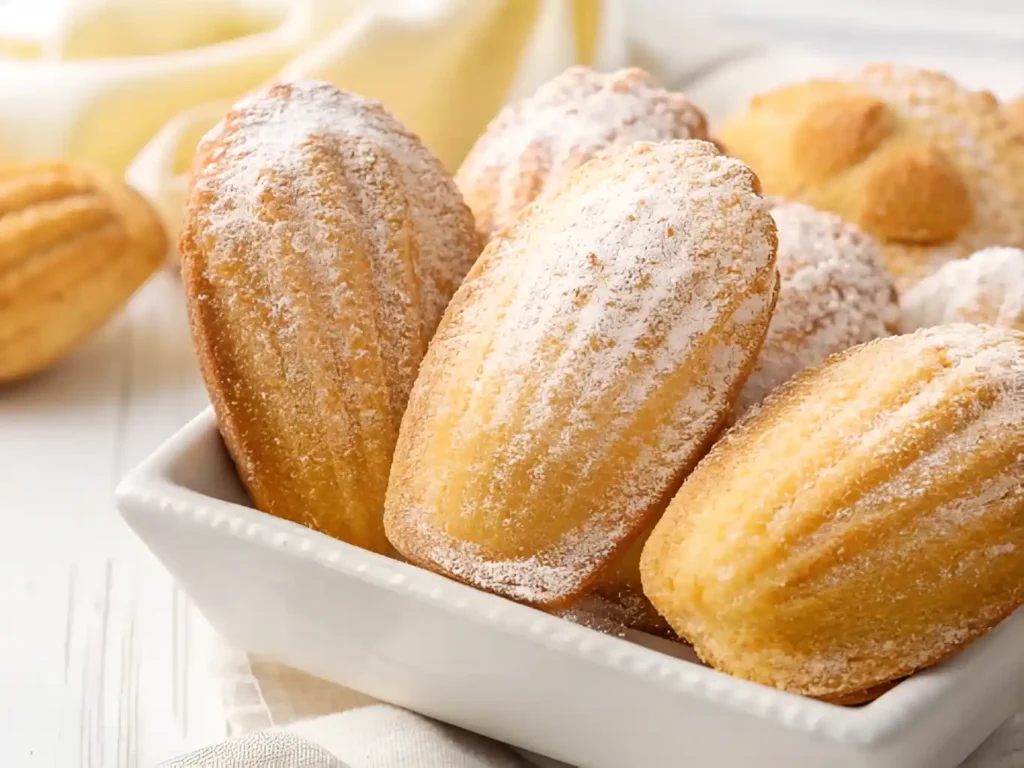
- The method gives a clear hump and crisp edges that look impressive on any table.
- The light crumb and citrus scent bring comfort with every bite.
- Guests love the mix of soft center and golden shell, making it great for gatherings.
- The chilled batter and strong heat at the start give steady results that stand out from many versions.
This recipe blends ease with a classic French look, giving you treats that feel special without extra effort.
Ingredients Needed
Here is a clear list of what you need for a classic batch of soft, shell shaped French cakes. I grouped the items to make things easier to follow.
For the batter
- 1 cup all purpose flour sifted and leveled
- 1 half teaspoon baking powder
- 1 eighth teaspoon salt
- 2 large eggs at room temperature
- 1 half cup granulated sugar
- 2 teaspoons fresh lemon zest
- 1 teaspoon vanilla extract
For the butter
- 1 half cup unsalted butter melted
- 2 tablespoons unsalted butter for brushing the pan
Optional for serving
- Confectioners sugar for a light dusting
These ingredients create a smooth batter with a bright citrus note and a warm butter flavor. The room temperature eggs help the mix whip to the right texture, and the melted butter adds a rich finish.
How to Make French Madeleines
- Melt the butter in a small pot or in the microwave. Set it aside so it cools slightly while you prepare the rest of the batter. The butter should stay liquid but not hot.
- In a large bowl, use a hand mixer or stand mixer fitted with a whisk attachment to beat the eggs and sugar on high speed for about eight minutes. The mix should turn pale, thick, and fall in slow ribbons. This step builds air into the batter and helps the cakes rise.
- Add the lemon zest and vanilla. Mix just until the flavor blends in.
- In a separate bowl, whisk the flour, baking powder, and salt. Use a spatula to fold the dry mix into the egg mix in two parts. Fold gently and stop as soon as no dry spots remain. The goal is to keep the airy texture you created in the earlier step.
- Scoop a small portion of the batter into the melted butter and stir until smooth. This helps the butter blend evenly. Pour this butter mix back into the main bowl and fold until the batter looks silky.
- Cover the bowl and place it in the fridge for at least thirty minutes. The batter will thicken and hold more shape during baking.
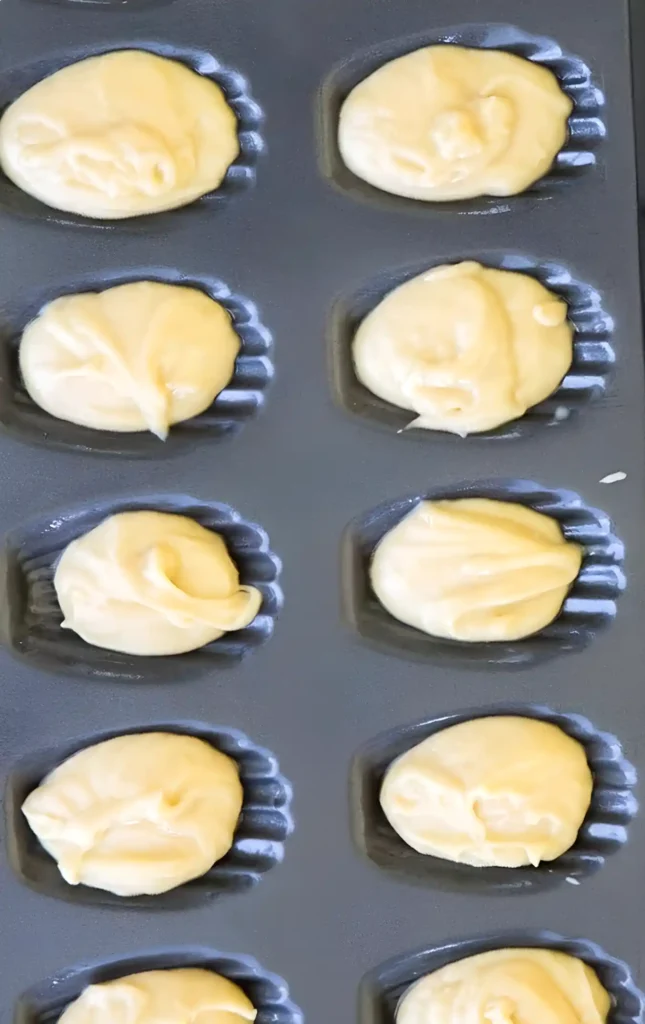
- Near the end of the resting time, heat the oven to three hundred fifty degrees Fahrenheit or one hundred seventy seven degrees Celsius. Melt the remaining butter and brush it lightly inside each well of the madeleine pan. This helps prevent sticking and gives a clean release.
- Take the batter out of the fridge. It will feel airy and sponge like. Do not stir it. Spoon a rounded tablespoon of batter into the center of each well. The heat will spread it naturally.
- Bake for ten to twelve minutes. The tops should spring back when pressed lightly. Turn the pan upside down to release the warm cakes. Place them on a rack to cool.
- Dust with confectioners sugar before serving if you like. Madeleines taste best within a few hours because the crisp edge softens with time. Store any extra in an airtight box for short term keeping.
Madeleine Troubleshooting and Expert Tips
Why Do My Madeleines Stick
A thin coat of melted butter helps the cakes release cleanly. A mix of butter and flour works even better. Unmold the cakes as soon as they come out of the oven so the steam does not trap them in the pan.
Why Do Not My Madeleines Have a Hump
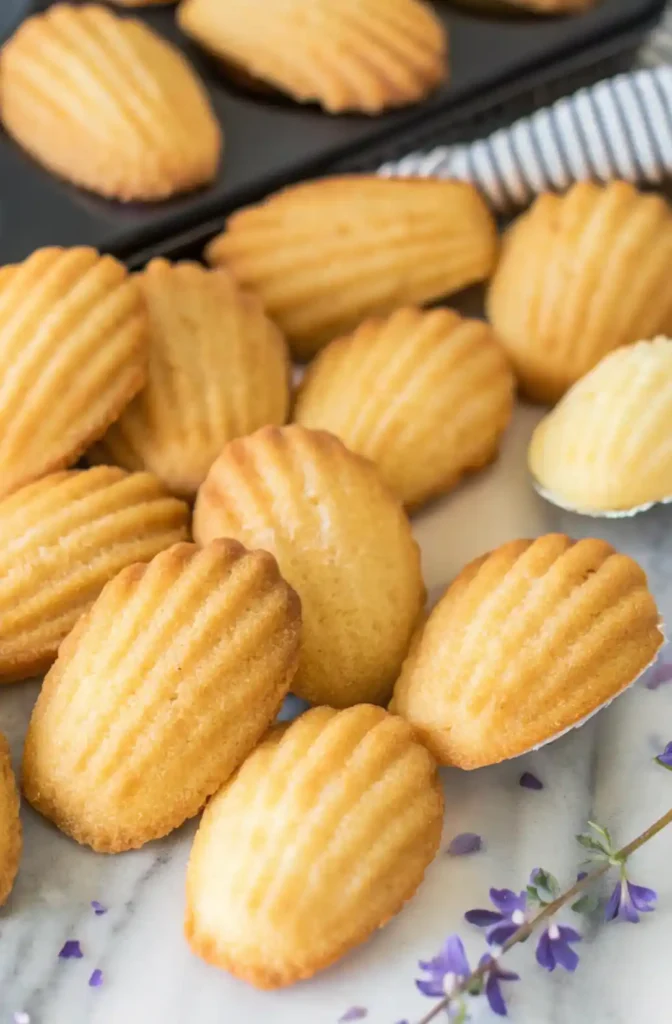
Cold batter is key. If the batter warms too much before baking, the rise weakens. The oven must start very hot so the edges set fast. Over mixing can deflate the eggs and reduce lift. Metal pans heat more quickly than silicone, giving a stronger rise.
Can I Make the Batter Ahead of Time
Yes. Keep it in a sealed container in the fridge for one to three days. The batter may thicken slightly but will still bake well.
Do I Need a Madeleine Pan
A scalloped pan gives the classic shape. A mini muffin tin works if you need a quick replacement. The cakes will bake a little faster, so keep an eye on the timing.
Flavor Variations and Storage
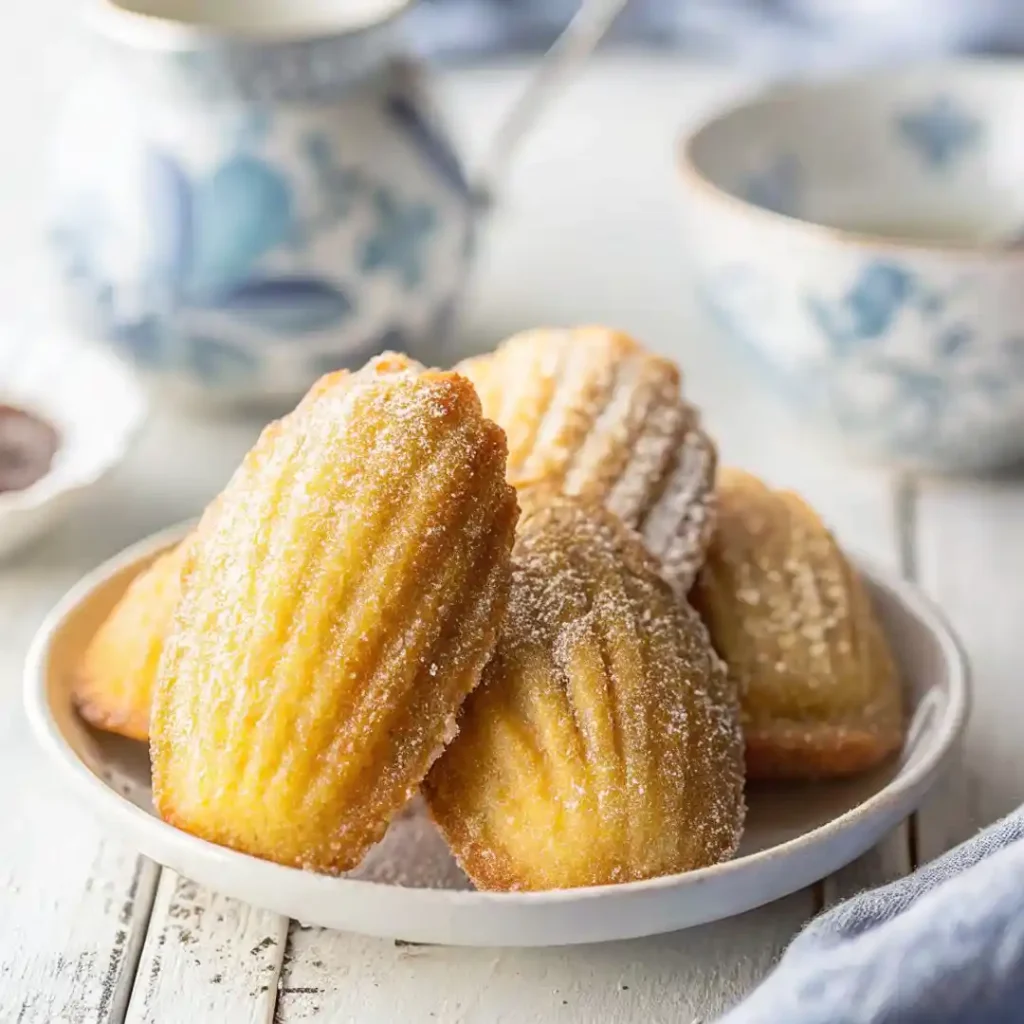
Flavor Variations
- Lemon zest gives the bright classic taste that most people know.
- Orange zest brings a slightly sweeter citrus note.
- Almond extract adds a warm nutty aroma. Use a small amount so it does not overpower the batter.
- Matcha can be added to the dry ingredients for a soft green color and earthy flavor.
- Earl Grey tea can be steeped in the melted butter for a gentle floral hint.
- A small dot of jam in the center creates a sweet surprise once baked.
These simple add ins let you shift the flavor while keeping the same soft crumb and crisp edge.
Storage and Freshness
Fresh madeleines taste best soon after baking. The edges stay crisp while the center stays soft.
Keep extra cakes in an airtight container at room temperature for up to three days.
Freeze fully cooled cakes for up to one month. Thaw at room temperature and warm them briefly in the oven to bring back a light crisp edge.
Conclusion
This recipe gives you soft centers, crisp edges, and a clear hump that shows the batter rose the way it should. The steps are simple to follow, and the tips help you avoid common problems. If you try these cakes at home, I would love to hear how they turned out. Leave a comment along with a star rating so others can see your results.
Share your batch on your favorite social platforms and tag it so more people can find it.
If you changed the flavor or added your own twist, tell me which one you picked. Your ideas might inspire the next baker who stops by.
More Delightful Recipes to Try:
- Italian Almond Cookies
- Persimmon Cookies
- Peanut Butter Cookies
- Chocolate Chip Cookies
- Peanut Butter Balls
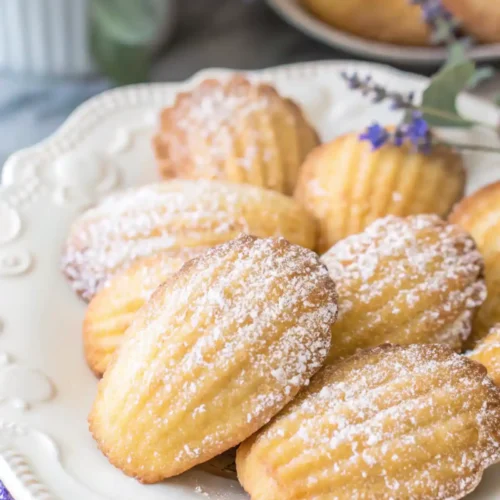
French Madeleines

Ingredients
For the batter
- 1 cup all purpose flour sifted and leveled
- 0.5 teaspoon baking powder
- 0.125 teaspoon salt
- 2 large eggs at room temperature
- 0.5 cup granulated sugar
- 2 teaspoons fresh lemon zest
- 1 teaspoon vanilla extract
For the butter
- 0.5 cup unsalted butter melted
- 2 tablespoons unsalted butter for brushing the pan
Optional for serving
- confectioners sugar for a light dusting
Instructions
- Melt the butter in a small pot or in the microwave. Set it aside to cool slightly while you prepare the batter. It should remain liquid but not hot.
- In a large bowl, beat the eggs and sugar on high speed for 8 minutes using a hand or stand mixer. The mix should be pale, thick, and fall in slow ribbons.
- Add lemon zest and vanilla. Mix until just combined.
- In another bowl, whisk together flour, baking powder, and salt. Fold this dry mix into the egg mixture in two parts using a spatula. Stop folding as soon as no dry spots remain.
- Scoop a small portion of the batter into the melted butter and stir until smooth. Fold this back into the main batter until silky.
- Cover and refrigerate the batter for at least 30 minutes.
- Preheat the oven to 350°F (177°C). Melt the extra butter and brush each well of the madeleine pan lightly.
- Remove batter from fridge and do not stir. Spoon a rounded tablespoon into the center of each pan well.
- Bake for 10–12 minutes until tops spring back when lightly pressed. Invert the pan to release the cakes and cool on a rack.
- Dust with confectioners sugar before serving if desired. Enjoy fresh for best texture. Store extras in an airtight container.
Notes
Nutrition Facts (Per Serving)
Calories 83 kcalCarbohydrates 9 g
Protein 1 g
Fat 4 g
Saturated Fat 3 g
Polyunsaturated Fat 0.3 g
Monounsaturated Fat 1 g
Trans Fat 0.2 g
Cholesterol 33 mg
Sodium 39 mg
Potassium 16 mg
Fiber 0.2 g
Sugar 6 g
Vitamin A 151 IU
Vitamin C 0.2 mg
Calcium 15 mg
Iron 0.4 mg
FAQs
What gives madeleines their hump?
The hump comes from cold batter meeting strong heat. The edges set fast and the center lifts upward. Air from the whipped eggs also helps the rise.
Do you have to refrigerate madeleine batter before baking?
Yes. A rest in the fridge thickens the batter and keeps it cold. This helps create the sharp rise once it enters the hot oven.
How long do madeleines take to cook?
Most batches finish in about ten to twelve minutes. The exact time depends on the pan and the oven.
How do you know when madeleines are done?
Press the top lightly. If it springs back, it is ready. The edges should look lightly golden.
What is the best madeleine pan material?
Metal is the top choice because it heats quickly and helps the cakes rise with a clear hump. A light colored metal pan gives the most even browning.
Can you make madeleines without a special pan?
Yes. A mini muffin pan works if you need a quick option. The cakes will not have the classic shell pattern but they will still taste great.